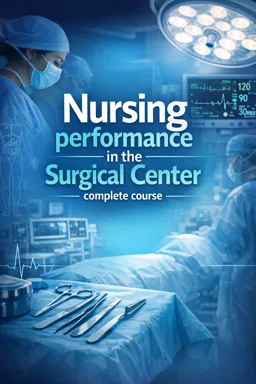
The handling of surgical equipment is an essential skill for nursing professionals working in the operating room. The ability to properly use these tools is critical to ensuring patient safety and the effectiveness of the surgical procedure. In this chapter, we will discuss in detail the handling of surgical equipment by nurses.
First of all, it is important to understand that each surgical piece of equipment has a specific purpose and must be used properly. There are different types of surgical equipment, including scalpels, scissors, tweezers, retractors, surgical aspirators, among others. Each of these pieces of equipment requires specific handling, and the nurse must be familiar with all of them.
Proper handling of surgical equipment begins with preoperative preparation. Nursing staff must ensure that all equipment needed for surgery is available and in good working order. This may involve checking equipment, assembling instruments and ensuring that all necessary materials are ready to use.
Once surgery begins, nurses play a crucial role in handling surgical equipment. They must be able to pass the correct instruments to the surgeon efficiently and safely. This requires a clear understanding of the surgical procedure and the instruments that will be needed at each stage.
In addition, nurses should monitor equipment use during surgery. This may involve checking the functionality of equipment, ensuring instruments are being used correctly and intervening if problems occur. In some cases, nurses may also be responsible for adjusting equipment settings or changing instruments as needed.
- Listen to the audio with the screen off.
- Earn a certificate upon completion.
- Over 5000 courses for you to explore!

Download the app
After surgery, the nursing staff must take care of the cleaning and maintenance of surgical equipment. This involves cleaning the instruments, checking for damage or wear and tear, and preparing the equipment for the next surgery. Proper equipment maintenance is crucial to ensure patient safety and the effectiveness of surgical procedures.
It is important to remember that handling surgical equipment requires training and practice. Nurses must receive adequate training on how to use each piece of equipment and must have the opportunity to practice these skills. In addition, nursing staff must always follow established guidelines and protocols for handling surgical equipment.
In summary, handling surgical equipment is a crucial part of the nurse's job in the OR. It requires a clear understanding of different types of equipment and how they are used, as well as skills in preparing, monitoring and maintaining equipment. With the proper training and practice, nurses can perform this role effectively and safely, contributing to successful surgical procedures and patient safety.