Exercises
This quiz examines the principles and clinical practice of canine blood transfusion medicine. Questions cover blood-group compatibility, DEA 1 typing, major and minor crossmatches, component selection, dose calculations, administration equipment, storage changes, monitoring, and recognition of transfusion reactions. Visual scenarios reinforce the interpretation of typing tests, agglutination, equipment, contaminated products, electrolyte changes, and post-transfusion complications.
Answer the questions below and check the explanation for each answer.
0/19 answered
Auto audio on: the next questions will be read aloud when you click Continue.
Packed red blood cells supply functional erythrocytes and hemoglobin, thereby improving oxygen delivery to tissues. They provide relatively little plasma or coagulation-factor replacement.
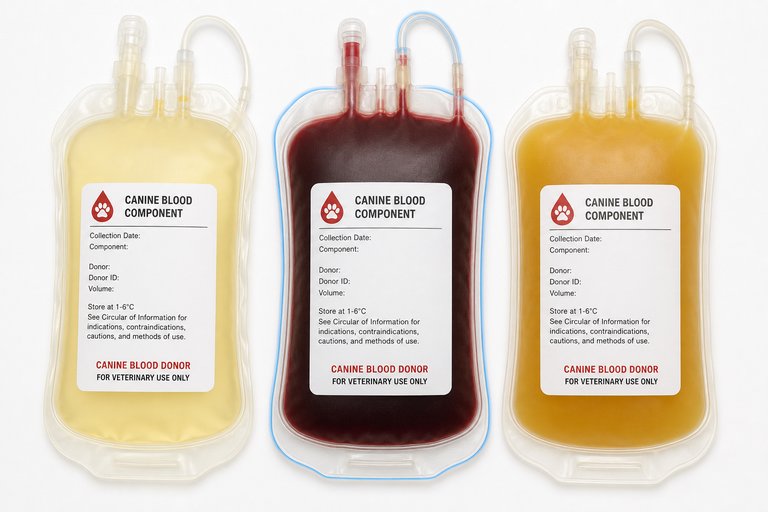
The dark red, concentrated component with most plasma removed is packed red blood cells. It is used when erythrocyte replacement is needed without the full plasma volume of whole blood.
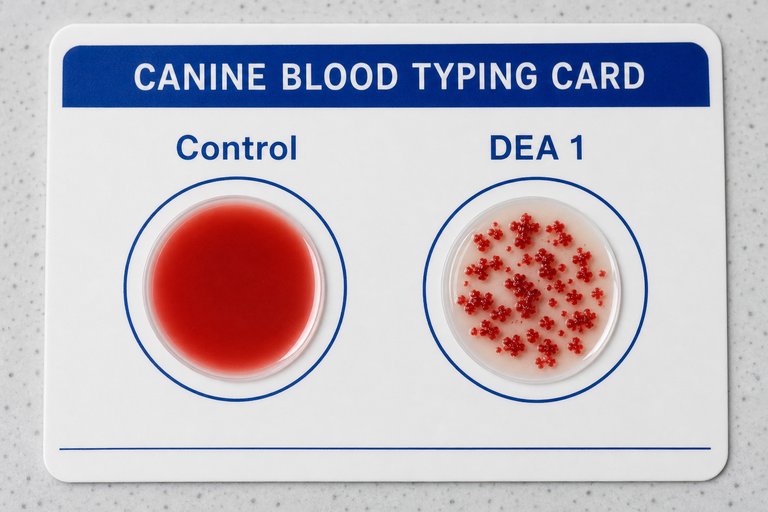
A valid negative control excludes nonspecific agglutination. Agglutination in the DEA 1 test area indicates that the dog's erythrocytes express the DEA 1 antigen.
Dogs generally lack clinically important naturally occurring anti-DEA 1 antibodies, so a first mismatch may not cause immediate severe hemolysis. It can, however, induce alloantibodies that make later incompatible transfusions dangerous.
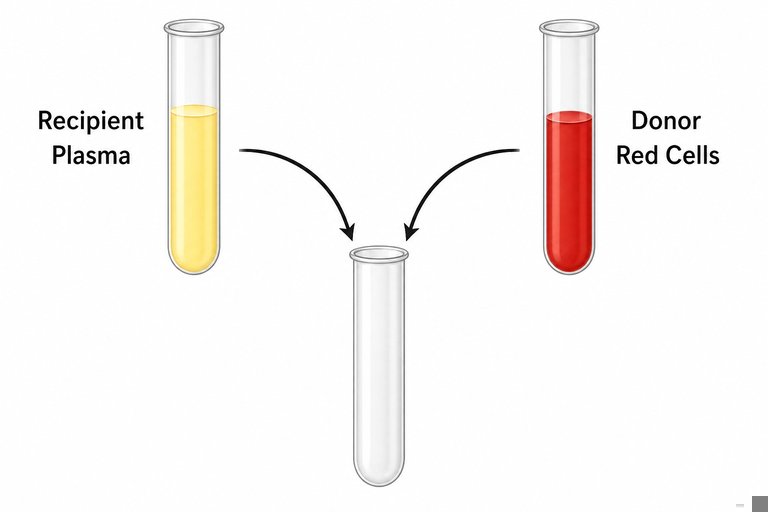
A major crossmatch tests recipient plasma against donor erythrocytes. It detects recipient antibodies capable of attacking the donor red cells that would be transfused.
The minor crossmatch combines donor plasma with recipient erythrocytes. It evaluates whether antibodies in the donor's plasma could react against the recipient's red cells.
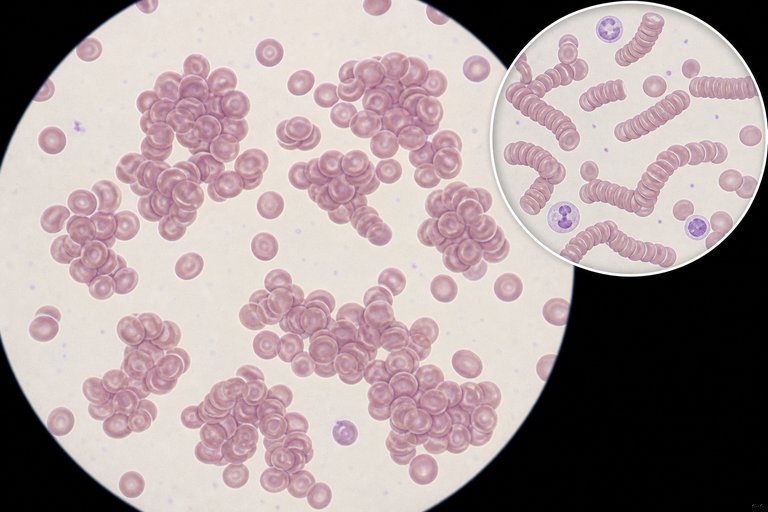
True agglutination produces irregular three-dimensional clumps caused by antibody-mediated cell binding. Rouleaux forms orderly coin-like stacks and is more likely to disperse with saline.
During refrigerated storage, erythrocyte metabolism slows and ATP and 2,3-DPG decline. Membrane changes, reduced deformability, and accumulation of metabolic by-products also occur.
Packed red blood cells raise red-cell mass while limiting unnecessary plasma volume. This makes them appropriate for severe anemia in a patient that does not require volume expansion or coagulation factors.
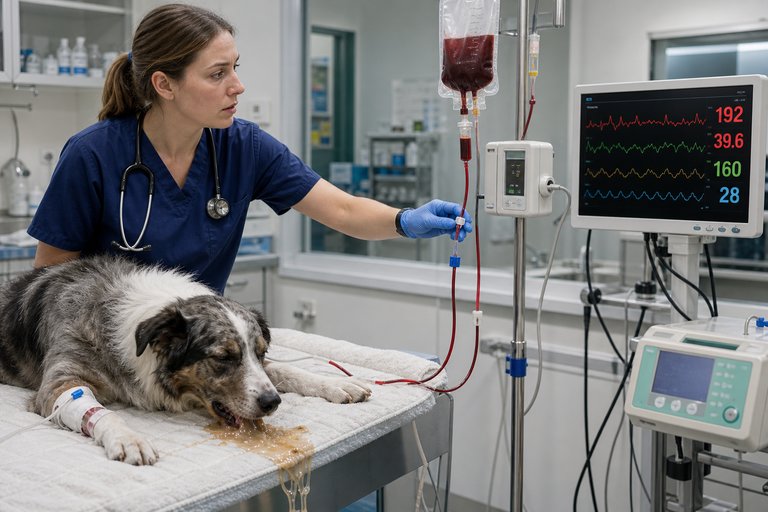
Suspected transfusion reactions require immediate cessation of the blood product. IV access should be maintained, the patient assessed and supported, and the product and patient investigated before any decision to resume.
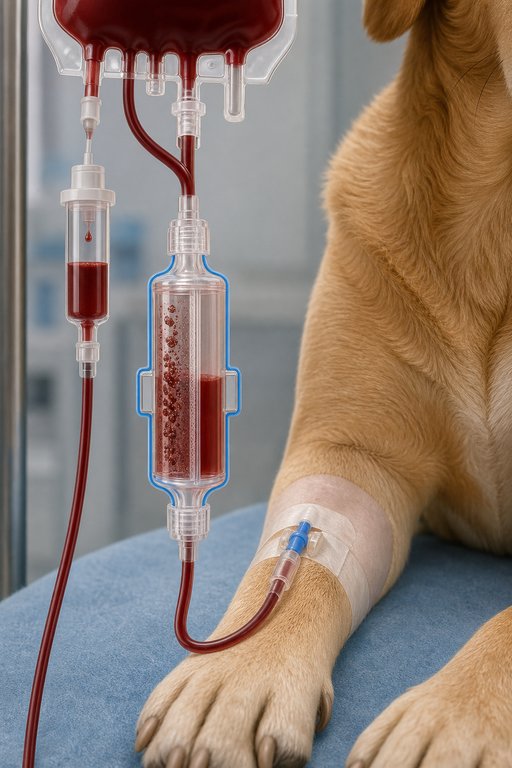
A blood administration filter traps clots, fibrin, and cellular aggregates before they reach the patient. It does not remove antibodies or make a contaminated product safe.
Volume = 20 × 90 × (0.25 − 0.15) ÷ 0.60. This equals 1800 × 0.10 ÷ 0.60, or 300 mL. The patient must still be monitored and the response reassessed clinically.
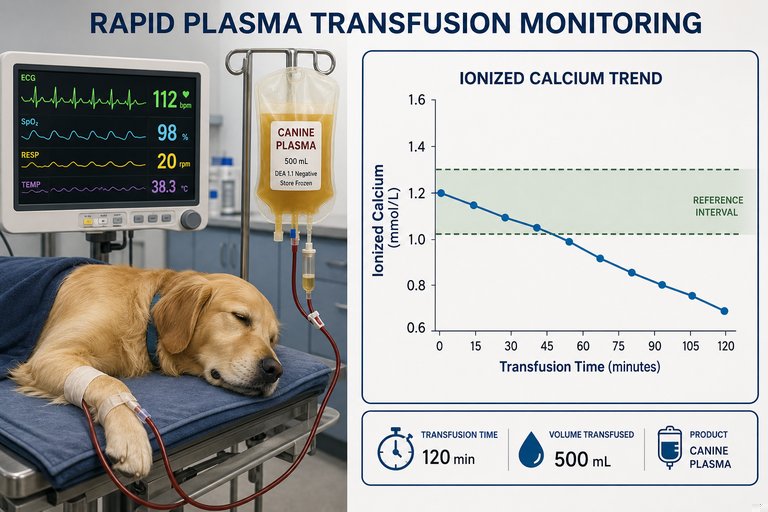
Citrate anticoagulant binds ionized calcium. During rapid or massive transfusion, citrate delivery may exceed hepatic metabolism and cause clinically important hypocalcemia.
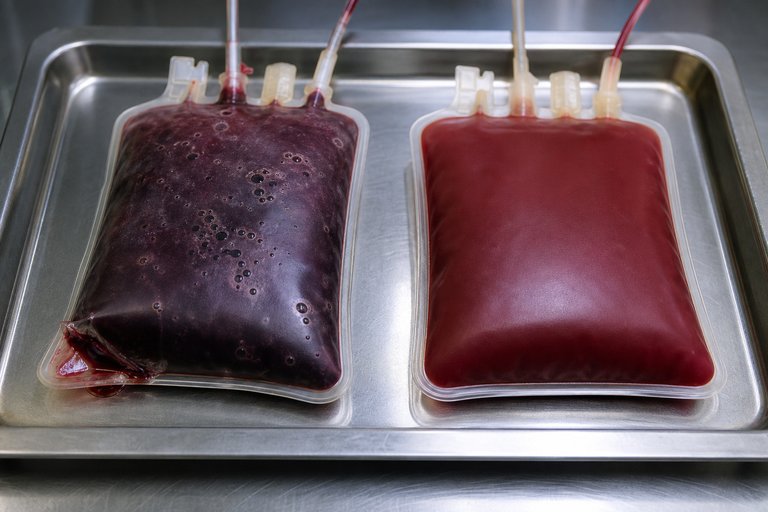
Discoloration, gas, leakage, or seal damage can indicate bacterial contamination or loss of product integrity. The unit must not be administered and should be isolated according to blood-bank procedures.
Fresh frozen plasma contains multiple coagulation factors and is appropriate when factor deficiency is causing or creating a substantial risk of bleeding. It is not an efficient product for treating anemia.
Platelet-containing products are most justified when a severe platelet deficit or dysfunction is associated with significant active bleeding or an urgent high-risk procedure. Availability and platelet survival may be limited.
Blood contaminated with gastrointestinal contents has a high bacterial and particulate burden and should not be returned to the circulation. Autotransfusion requires appropriate collection, filtration, and assessment for contamination and other risks.
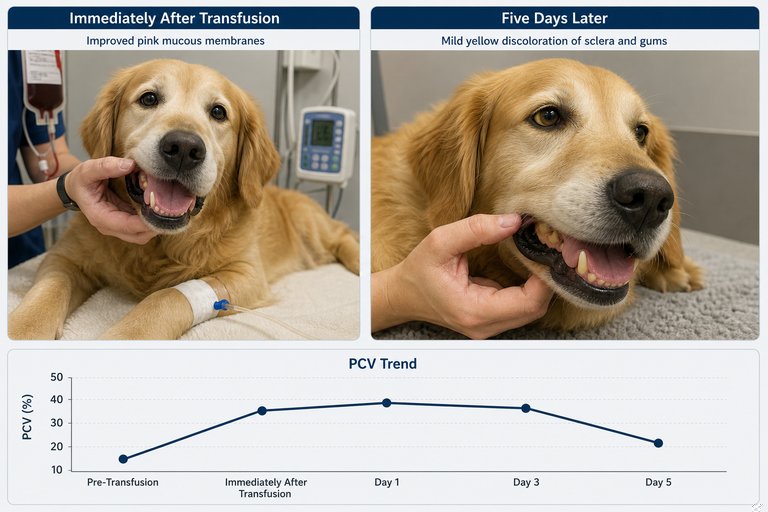
A delayed hemolytic reaction occurs days after transfusion as antibodies remove donor erythrocytes. Findings may include an unexpected PCV decline, hyperbilirubinemia, jaundice, fever, or reduced transfusion benefit.
Complete traceability requires identification of the patient and unit, compatibility testing, component and volume, administration times, monitoring data, and any reaction or intervention. These records support future transfusion decisions and quality control.
Thousands of online courses in video, ebooks and audiobooks.
To test your knowledge during online courses
Generated directly from your cell phone's photo gallery and sent to your email

Download our app via QR Code or the links below:.



Carry knowledge in your pocket.
Download the Cursa app.
There are hundreds of free courses available, with a free certificate of completion that is saved in your mobile image gallery.
Download the app to access the Course Completion Certificate for Free.


+ 10 million
students

Free and Valid
Certificate

60 thousand free
exercises

4.8/5 rating in
app stores

Free courses in
video and ebooks