
Exercises
Explore key principles of Deaf culture and etiquette in this educational quiz. Test your understanding of respectful ways to gain a Deaf person’s attention, communicate clearly, maintain appropriate eye contact, use facial expressions in sign language, and navigate conversations and gatherings thoughtfully. Questions also cover the meaning of CODA, culturally considerate interruptions, entering or leaving signing spaces, and common communication practices to avoid. This quiz is designed to build awareness of Deaf community norms and encourage more inclusive, respectful interactions.
Answer the questions below and check the explanation for each answer.
0/10 answered
Auto audio on: the next questions will be read aloud when you click Continue.
Lightly tapping a deaf person.s shoulder is the most respectful and commonly accepted way to get their attention, as it is non-intrusive and directly connects to their sense of touch.
Covering your mouth makes it challenging for deaf individuals to read lips, thus hindering effective communication. It.s important to keep your mouth visible.
Maintaining eye contact is crucial in deaf culture as it indicates attention and respect, as well as ensuring clear and effective communication through sign language.
The sign for .deaf. involves touching your ear and then your chin, symbolizing the connection between hearing and communicating.
Politely waving your hand is the accepted way to interrupt a conversation in deaf culture, as it is a gentle and visible way of gaining attention.
Facial expressions in sign language are crucial for conveying the tone and emotion of the message, enhancing clarity and adding nuance that hand movements alone cannot provide.
Walking through without making a fuss is acceptable as it minimizes disruption; most deaf individuals understand that space may be limited, and they will adjust accordingly.
.CODA. stands for .Child of Deaf Adults., referring to hearing offspring who grow up with deaf parents, often serving as a bridge between hearing and deaf cultures.
Speaking while signing can interfere with visual-gestural components of sign language, disrupting the flow and comprehension of the signs being communicated.
Ensuring clear lines of sight allows deaf individuals to communicate visually and effectively, maintaining inclusivity and engagement in gatherings.
Free CourseWorld Sign Languages
5

(1)

4h51m

35 exercises

Free CourseAmerican Sign Language ASL
5
(11)
30h07m
46 exercises
Free CourseAmerican Sign Language
5
(3)
4h25m
32 exercises

Free CourseAuslan Australian Sign Language
5
(3)
58m

Free CourseAmerican Sign Language (ASL)
5
(1)
48h13m
1 exercises

Free CourseInternational sign language
4.7

(115)
48m

Free CourseAuslan sign language
4.5
(2)
12m
1 exercises
Free CourseAmerican sign language
4
(18)
5h51m
22 exercises
Thousands of online courses in video, ebooks and audiobooks.
To test your knowledge during online courses
Generated directly from your cell phone's photo gallery and sent to your email

Download our app via QR Code or the links below:.


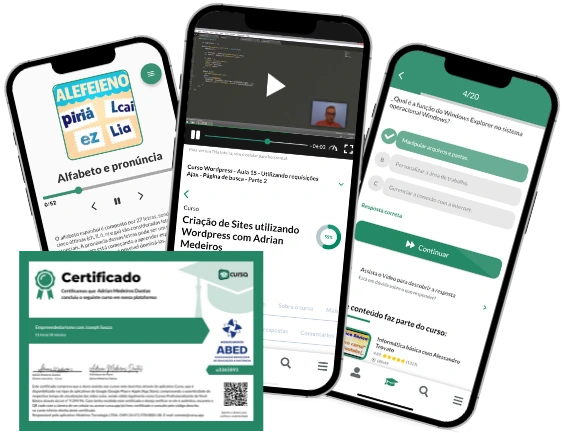
Carry knowledge in your pocket.
Download the Cursa app.
There are hundreds of free courses available, with a free certificate of completion that is saved in your mobile image gallery.
Download the app to access the Course Completion Certificate for Free.


+ 10 million
students

Free and Valid
Certificate

60 thousand free
exercises

4.8/5 rating in
app stores

Free courses in
video and ebooks