
Exercises
Develop more accurate Brazilian Portuguese pronunciation by exploring how common letters and digraphs represent sounds. This quiz covers nasal vowels and diphthongs, strong and weak R sounds, the digraphs nh, lh, and ch, silent letters, variable pronunciations of x, and common unstressed vowel patterns. Questions range from foundational recognition to more challenging spelling-to-sound distinctions.
Answer the questions below and check the explanation for each answer.
0/17 answered
Auto audio on: the next questions will be read aloud when you click Continue.
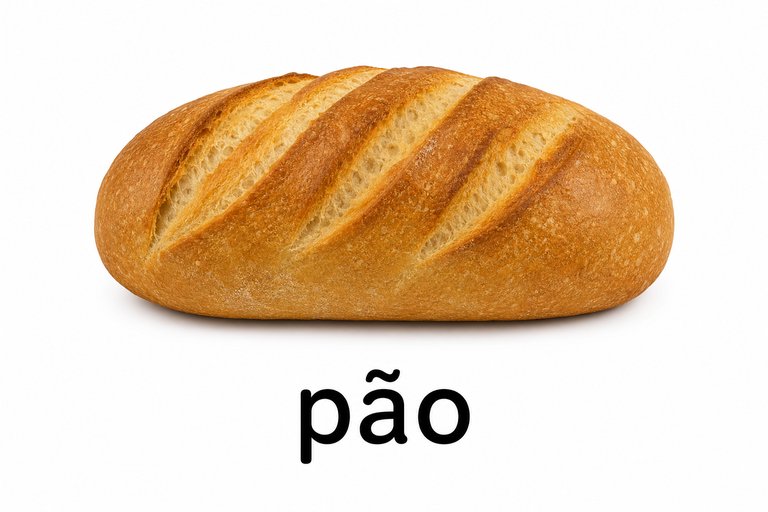
In pão, the sequence ão represents a nasal diphthong. Air flows through the nose while the vowel sound changes position within the same syllable.
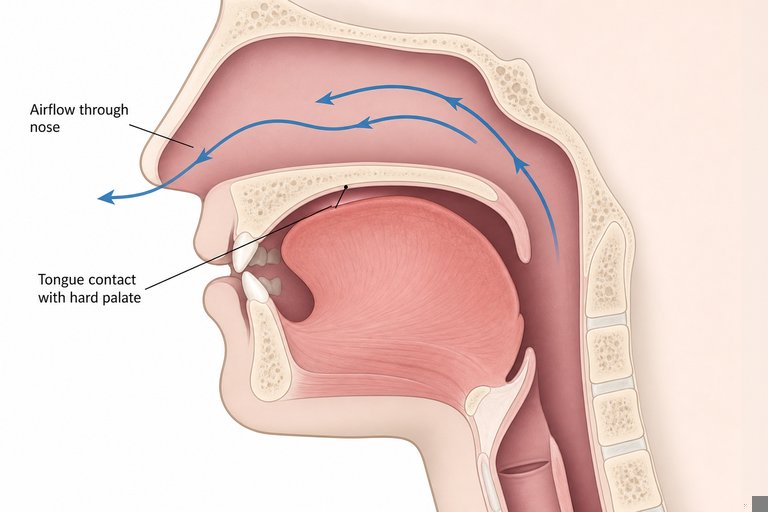
The digraph nh normally represents /ɲ/, a single palatal nasal consonant. It occurs in words such as manhã and ninho.
Between vowels, a single r is typically a tap /ɾ/. The digraph rr represents a strong R sound, whose exact realization varies among Brazilian accents.
A single s between vowels is usually voiced as /z/. Thus, the middle consonant in casa sounds like the z in English zero.

In Portuguese, the digraph ch usually represents /ʃ/. Therefore, chave begins with a sound similar to the English sh sound.
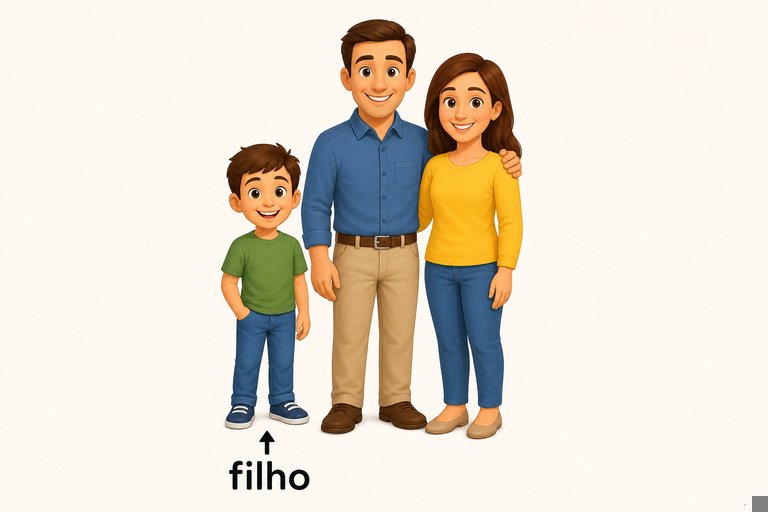
The digraph lh traditionally represents the palatal lateral /ʎ/. It is a single consonant sound, although its realization may vary in some Brazilian speech.

In queijo, qu represents /k/, and the letter u is not pronounced separately. This pattern commonly occurs before e or i.
Before e, the sequence gu preserves the hard /g/ sound. In guerra, the u is normally not pronounced as a separate vowel or glide.
In táxi, the letter x represents the consonant sequence /ks/. The pronunciation of x varies by word and must often be learned with the vocabulary.
In exame, the letter x is normally pronounced /z/. This illustrates why the sound of x cannot always be predicted from the letter alone.

An r at the beginning of a word represents the strong R category. Its exact sound varies across Brazil and may resemble /ʁ/, /h/, or related pronunciations.
At the end of bem, m primarily signals that the preceding sound is nasal. It is generally not pronounced as a fully released final /m/.
In bom, final m marks a nasal vowel. Unlike English words ending in m, Portuguese normally does not require a fully closed and released /m/ at the end.

The sequence ãe in mãe forms a nasal diphthong within one syllable. The tilde marks nasality rather than a separate consonant sound.
In many Brazilian accents, an unstressed final o is raised and sounds close to /u/. Thus, the final vowel of livro often differs from a stressed Portuguese o.
In many Brazilian varieties, unstressed final e is raised toward /i/. Consequently, the ending of cidade often sounds similar to the vowel in Portuguese si.
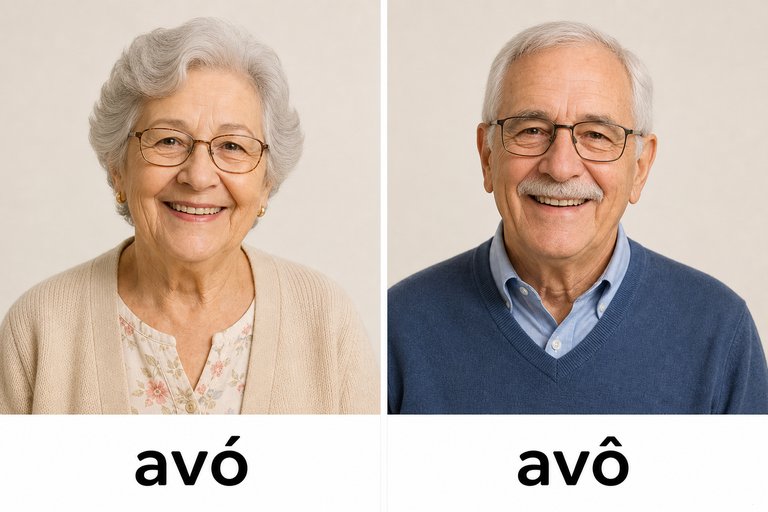
The acute accent in avó marks an open stressed o /ɔ/, while the circumflex in avô marks a closed stressed o /o/. The accents also identify the stressed syllable.

Free CourseEuropean Portuguese
5

(2)

4h22m

9 exercises
Free CourseEuropean Portuguese for beginners
5
(3)
2h37m
25 exercises

Free CoursePortuguese listening
4.9
(116)
48m

Free CourseBrazilian portuguese
4.4

(37)
11h06m
1 exercises

Free CourseEuropean Portuguese for beginners
3
(2)
4h58m
3 exercises

Free CourseLearn Portuguese
1
(1)
3h49m
28 exercises
Free CourseBrazilian Portuguese basics
New
3h16m
19 exercises
Free CourseBrazilian Portuguese basics
New
8h41m
1 exercises
Thousands of online courses in video, ebooks and audiobooks.
To test your knowledge during online courses
Generated directly from your cell phone's photo gallery and sent to your email

Download our app via QR Code or the links below:.



Carry knowledge in your pocket.
Download the Cursa app.
There are hundreds of free courses available, with a free certificate of completion that is saved in your mobile image gallery.
Download the app to access the Course Completion Certificate for Free.


+ 10 million
students

Free and Valid
Certificate

60 thousand free
exercises

4.8/5 rating in
app stores

Free courses in
video and ebooks