
Exercises
Put your professional makeup hygiene and sanitation knowledge to the test. This quiz covers essential client-safety practices, including proper handwashing, cleaning versus disinfection, disinfectant contact time, safe product dispensing, single-use applicators, brush care, cosmetic storage, and preventing cross-contamination. Explore best practices for mascara, lipstick, pencils, cream products, pressed powders, and palettes, as well as appropriate responses to visible illness, cold sores, eye discharge, and accidental bleeding. You will also review cosmetic package symbols, drying and storing sanitized brushes, and why 70% alcohol may be effective for approved surface-disinfection uses. Ideal for makeup artists, beauty students, and professionals committed to clean, safe services.
Answer the questions below and check the explanation for each answer.
0/18 answered
Auto audio on: the next questions will be read aloud when you click Continue.
Soap and running water physically remove visible soil and microorganisms. Alcohol-based hand sanitizer is useful when hands are not visibly dirty, but it should not replace washing in this situation.
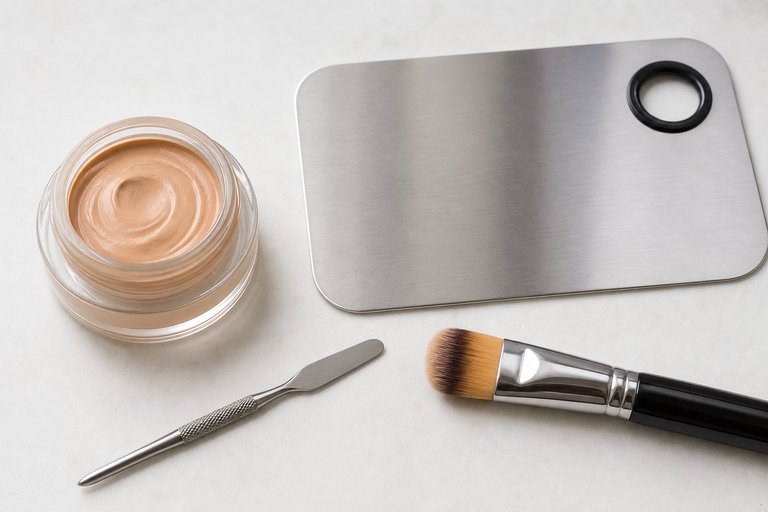
A sanitized spatula prevents applicators and fingers from introducing microorganisms into the original container. The dispensed portion should remain on a sanitized palette and never be returned to the jar.
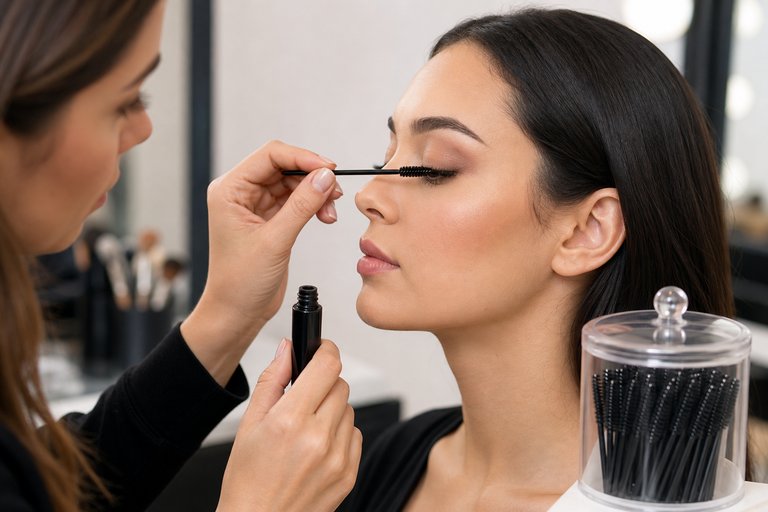
A wand that has touched the lashes must never re-enter the mascara tube. If more product is needed, the used wand is discarded and a fresh disposable wand is used.
Cleaning removes makeup, oils, and debris that can shield microorganisms. Disinfection is performed afterward so the approved product can contact the surface effectively.
A single-use wedge is porous and designed for one service only. Surface spraying cannot reliably disinfect its internal structure, so it must be discarded after use.
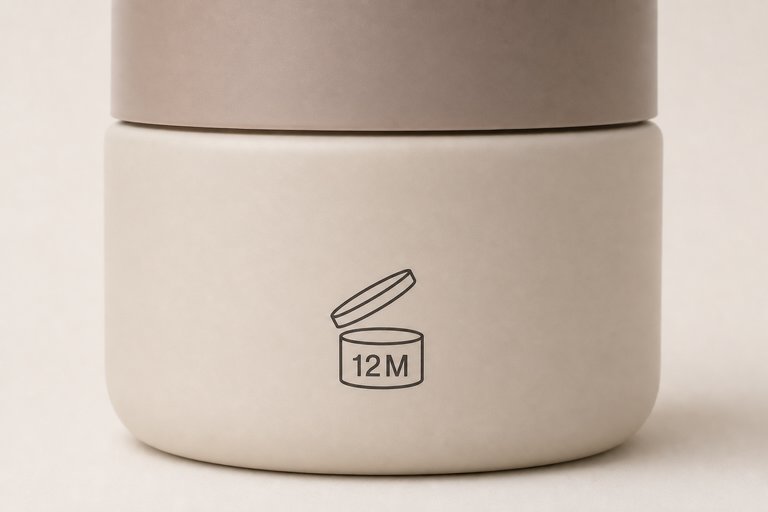
The open-jar symbol is the period-after-opening symbol. “12M” means the manufacturer recommends using the product within 12 months of first opening it.
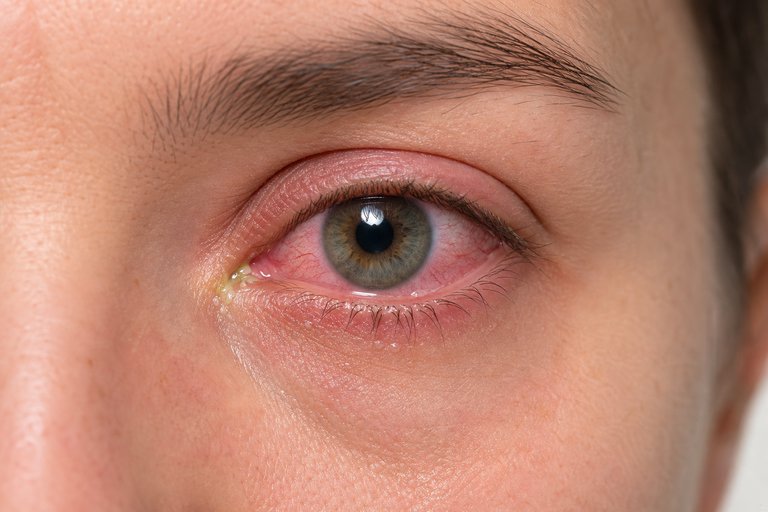
Redness, watering, and discharge may indicate a contagious or medically significant eye condition. The artist should not diagnose it, but should postpone the eye service and recommend professional evaluation.
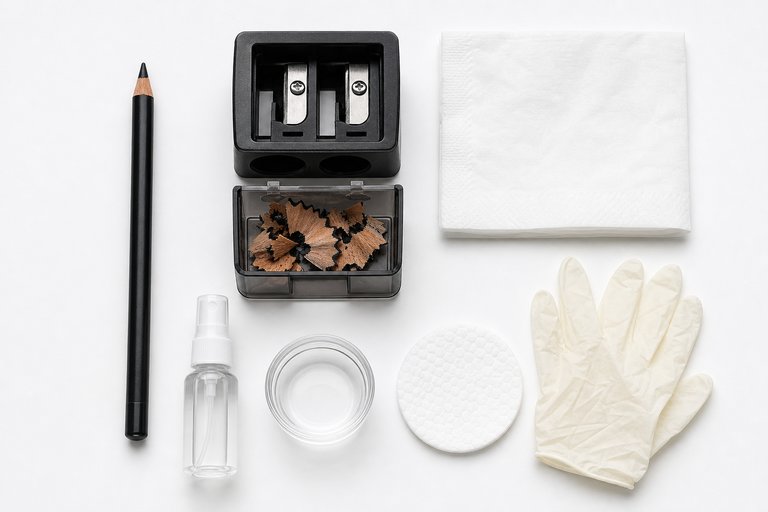
Sharpening removes the previously exposed product layer. The sharpener must be cleaned and disinfected, and the pencil must be treated according to applicable product, workplace, and regulatory sanitation guidance.
Product should be removed without touching the tube to the client or a used brush. A sanitized spatula and palette protect the original lipstick from contamination.
The service should stop immediately. The artist must follow the established exposure-control procedure, including hand hygiene, appropriate gloves, safe handling of contaminated items, and required surface decontamination.
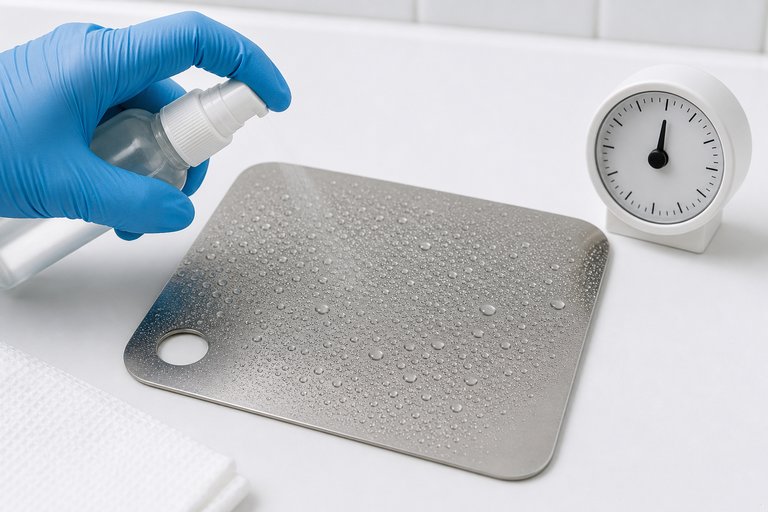
Contact time is the labeled period during which the treated surface must remain wet for the disinfectant to work as intended. Wiping it dry too soon can reduce effectiveness.
Cleaning physically removes residue and soil. Disinfection uses an approved process to reduce or inactivate specified microorganisms on suitable surfaces; it is not the same as sterilization.
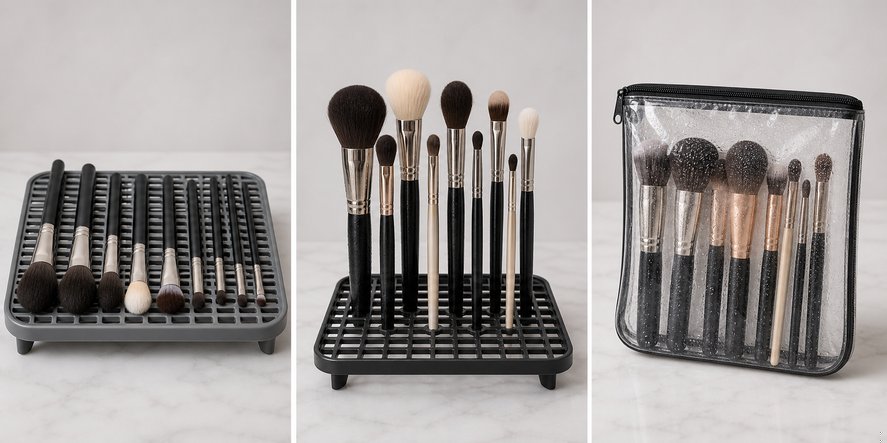
Brushes should dry with airflow while flat or with bristles angled downward. This helps prevent water from entering the ferrule, where it can weaken adhesive and contribute to deterioration.
Clean brushes must remain dry, protected from dust and handling, and clearly separated from contaminated tools. Damp or mixed storage can promote contamination and damage.
An active cold sore may be contagious, and makeup application can irritate the area or spread contamination. The affected service should be avoided, postponed, or appropriately modified under workplace policy.
Once dispensed for a service, unused product must not be returned to its container or saved for another client. The remainder is discarded, and the nonporous palette is cleaned and disinfected.
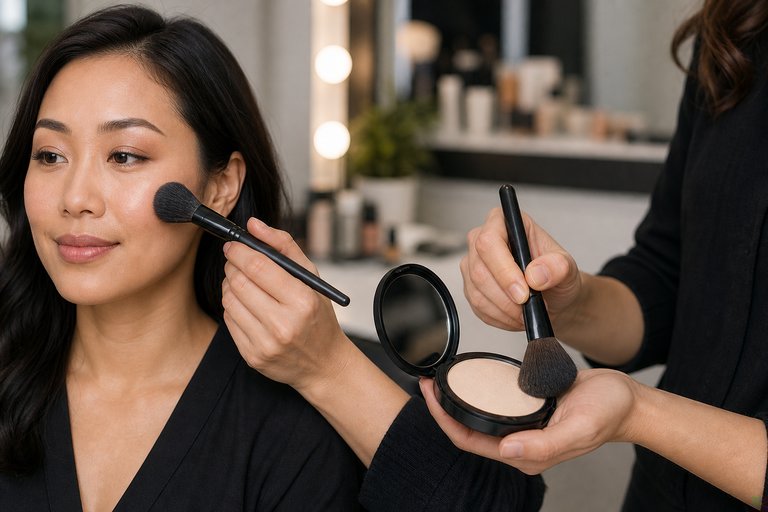
A brush that returns to pressed powder after touching skin can transfer oils, skin cells, and microorganisms into the product. Product should be dispensed or otherwise managed to prevent double-dipping.
The water in 70% alcohol supports protein denaturation and generally slows evaporation, allowing better contact than very high concentrations in many applications. Only use alcohol where approved and follow applicable label directions.

Free CourseMakeup and Beauty for the over 50
5

(5)

3h04m

10 exercises

Free CourseMakeup For Beginners
4.8
(150)
1h55m
15 exercises

Free CourseMakeup Techniques Course
4.8

(4)
11h01m
47 exercises

Free CourseBeginner Makeup
4.7
(7)
4h20m
14 exercises

Free CourseMakeup Masterclass
4.6
(22)
39m
6 exercises

Free CourseMakeup handbook
4.6
(12)
58m
16 exercises

Free CourseHow to apply Makeup for beginners
4.5
(4)
39m
6 exercises

Free CourseBecome a MAKEUP PRO Overnight
4.4
(5)
30m
4 exercises
Thousands of online courses in video, ebooks and audiobooks.
To test your knowledge during online courses
Generated directly from your cell phone's photo gallery and sent to your email

Download our app via QR Code or the links below:.



Carry knowledge in your pocket.
Download the Cursa app.
There are hundreds of free courses available, with a free certificate of completion that is saved in your mobile image gallery.
Download the app to access the Course Completion Certificate for Free.


+ 10 million
students

Free and Valid
Certificate

60 thousand free
exercises

4.8/5 rating in
app stores

Free courses in
video and ebooks