
Exercises
This quiz assesses practical knowledge of classic eyelash extension design and application. You will interpret lash maps, evaluate eye shapes, choose suitable styling strategies, and review essential techniques such as isolation, adhesive control, extension direction, safe placement, and final inspection. The questions combine foundational principles with realistic decisions that help create balanced, comfortable, and customized lash sets.
Answer the questions below and check the explanation for each answer.
0/12 answered
Auto audio on: the next questions will be read aloud when you click Continue.
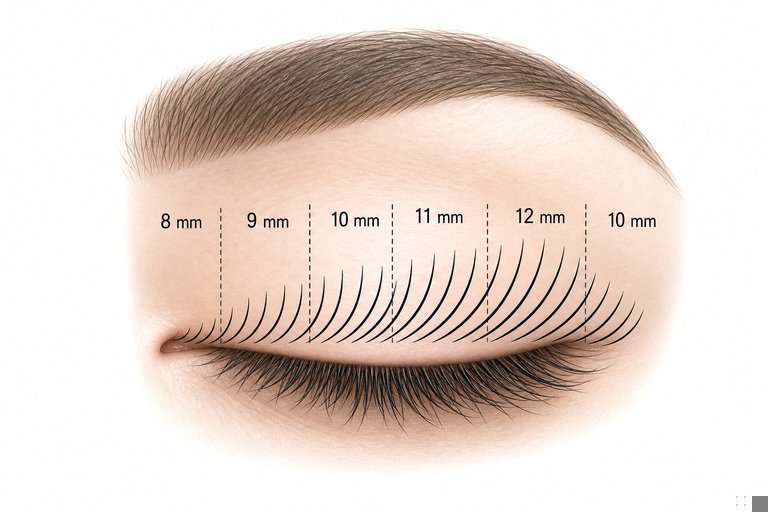
A squirrel map reaches its greatest length before the outer corner and then tapers down. This can provide lift without placing the longest extensions at the very edge.
A lash map organizes extension lengths and transitions by zone. It helps the artist produce a controlled, symmetrical design suited to the client's eyes.
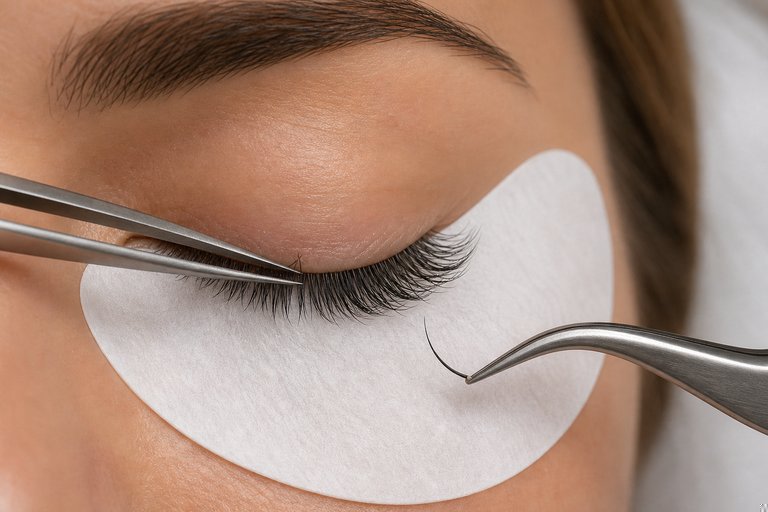
Classic application requires one extension to be attached to one properly isolated natural lash. This prevents neighboring lashes from being bonded together.
The extension is placed near the lash line, commonly about 0.5–1 mm from the skin. It must not touch the eyelid, because skin contact can cause discomfort and irritation.
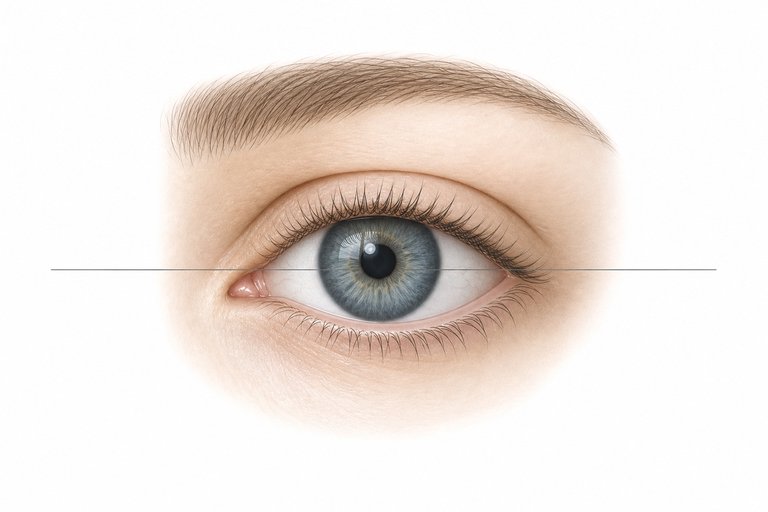
An outer corner lower than the inner corner indicates a downturned eye. Mapping should generally avoid excessive length or weight at the extreme outer edge.
Extension weight and length must respect the condition of the natural lash. Shorter, lighter extensions reduce stress and help protect fine or weak lashes.
Blending neighboring lengths prevents visible steps in the outline. Gradual transitions usually create a softer and more polished lash design.
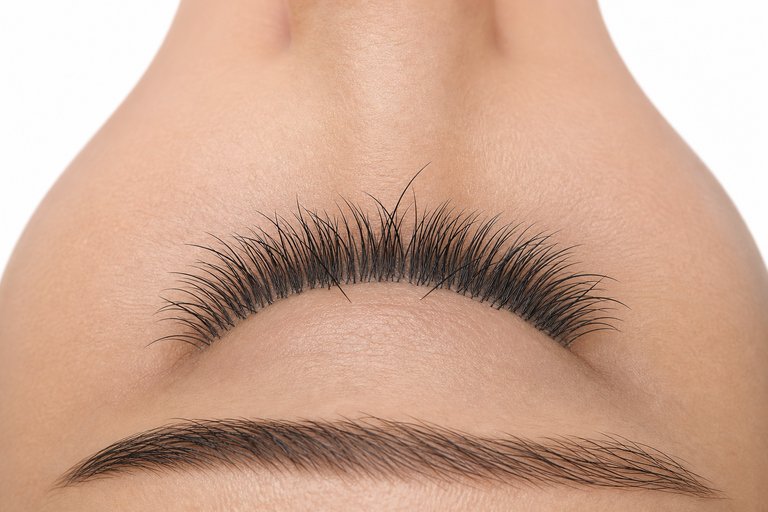
A map controls length, but clean styling also requires consistent direction. Extensions that point across neighboring lashes create a crossed and untidy appearance.
Moving emphasis outward can create the impression of greater distance between close-set eyes. The exact lengths must still suit the natural lashes and overall eye shape.
Too much adhesive can create a heavy, visible base and spread onto nearby lashes. Controlled adhesive pickup supports a neat attachment and reduces stickies.
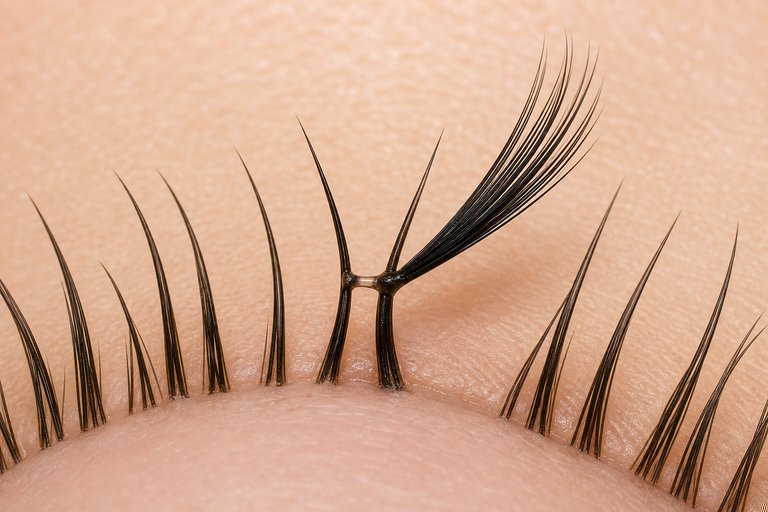
A sticky occurs when neighboring natural lashes or extensions become unintentionally bonded. Stickies can restrict independent lash growth and must be separated safely.
Multiple viewing angles reveal symmetry, direction, and outline problems. A careful isolation check helps locate and separate any lashes that were unintentionally bonded.
Free CourseOmbre Brows Tutorial
5

(7)

2h00m

6 exercises
Free CourseMicroblading from scratch
5
(2)
3h43m
8 exercises

Free CourseLash Lift and Brow Lamination Class
5
(6)
38m
6 exercises

Free CourseEyebrow training course
4.5

(2)
4h04m
3 exercises
Free CourseHenna Brow tutorial
4.4
(5)
27m
1 exercises

Free CourseEasy Eyebrow Tutorial Women 40 to 65
4
(4)
10m
3 exercises

Free CourseOmbre Powder Brow Tutorial
3.5
(2)
42m
5 exercises
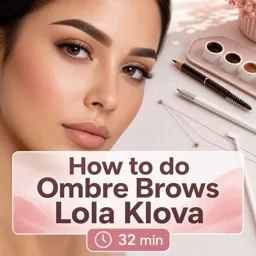
Free CourseHow to do Ombre Brows Lola Klova
New
32m
6 exercises
Thousands of online courses in video, ebooks and audiobooks.
To test your knowledge during online courses
Generated directly from your cell phone's photo gallery and sent to your email

Download our app via QR Code or the links below:.



Carry knowledge in your pocket.
Download the Cursa app.
There are hundreds of free courses available, with a free certificate of completion that is saved in your mobile image gallery.
Download the app to access the Course Completion Certificate for Free.


+ 10 million
students

Free and Valid
Certificate

60 thousand free
exercises

4.8/5 rating in
app stores

Free courses in
video and ebooks