
Exercises
Explore the essential knowledge needed to create durable hand-bound books. This quiz covers paper grain, signatures, sewing structures, adhesives, specialized tools, trimming, pressing, and basic hardcover assembly. The questions combine practical workshop decisions with visual identification tasks, helping learners understand not only what bookbinders use but why each material and technique matters.
Answer the questions below and check the explanation for each answer.
0/16 answered
Auto audio on: the next questions will be read aloud when you click Continue.
Paper grain should run parallel to the spine. This lets pages fold and turn more easily while reducing buckling, stiffness, and stress on the binding.
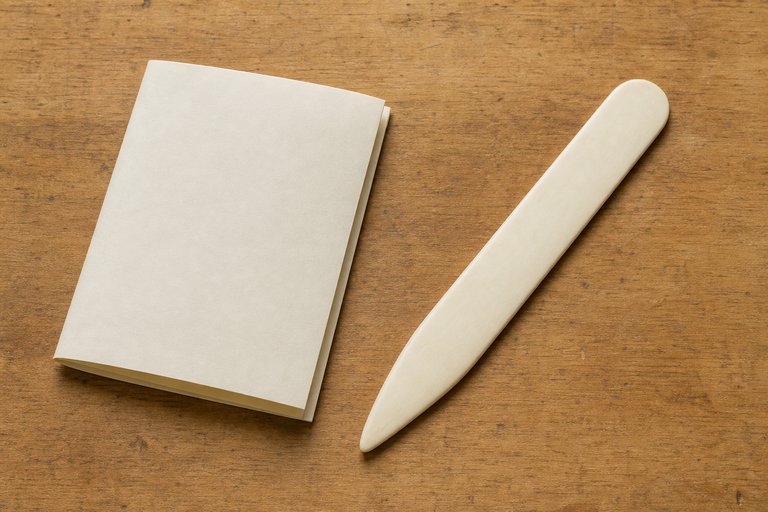
A bone folder is a smooth, blunt tool used to make crisp folds, press paper, and smooth materials without cutting them.
A signature, also called a section, is a group of folded sheets nested together. Several signatures can be sewn to form a text block.
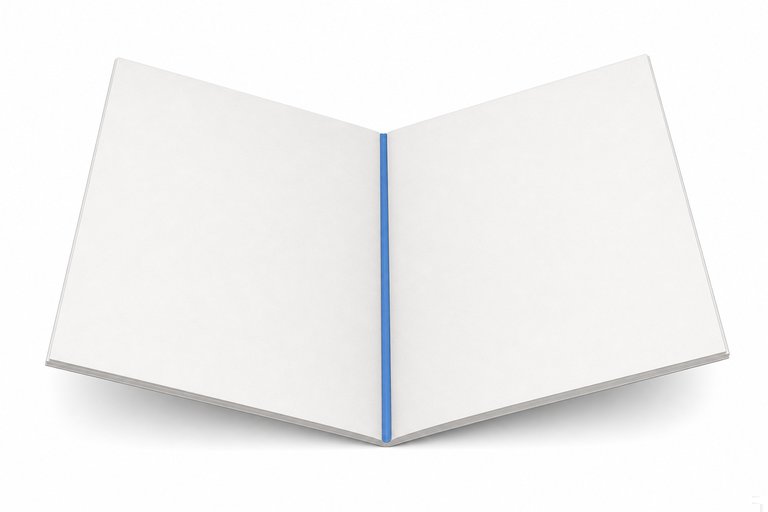
The highlighted central crease is the spine fold. Sewing holes are commonly pierced along this fold so the sections can be joined.
An awl has a sharp point designed to pierce controlled holes through paper folds. A piercing cradle can help keep the holes aligned.
Waxed linen thread is strong, relatively low-stretch, and resistant to tangling. The wax also helps it pass smoothly through sewing holes.
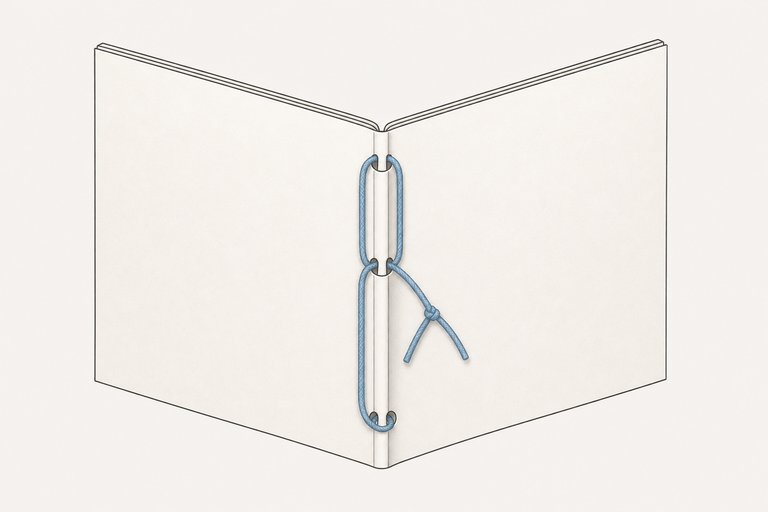
The three-hole pamphlet stitch joins one folded section with thread passing through three aligned holes, usually ending in a knot at the center.
Nested sheets project progressively farther at the fore edge, an effect called creep. Careful trimming produces a more even edge.
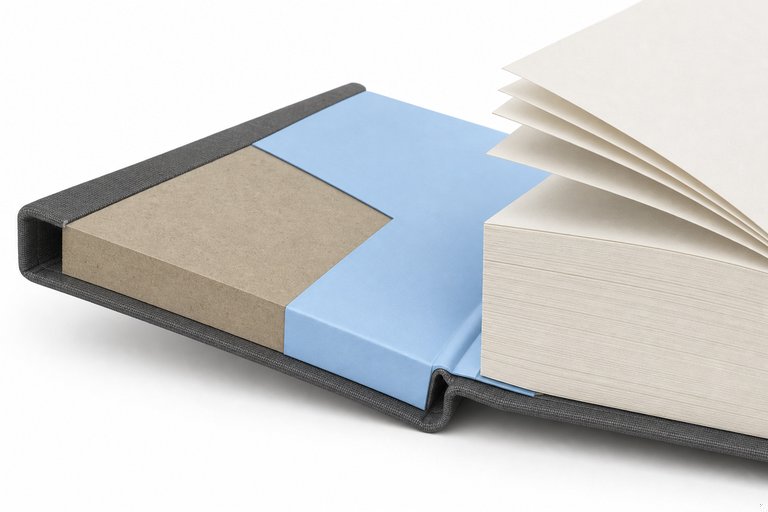
The endpaper is a folded sheet at the front or back of the text block. Part of it is adhered to the board during casing-in.
Archival-grade PVA adheres strongly, dries relatively flexible, and is formulated to avoid harmful acidity. Ordinary craft PVA is not automatically archival.
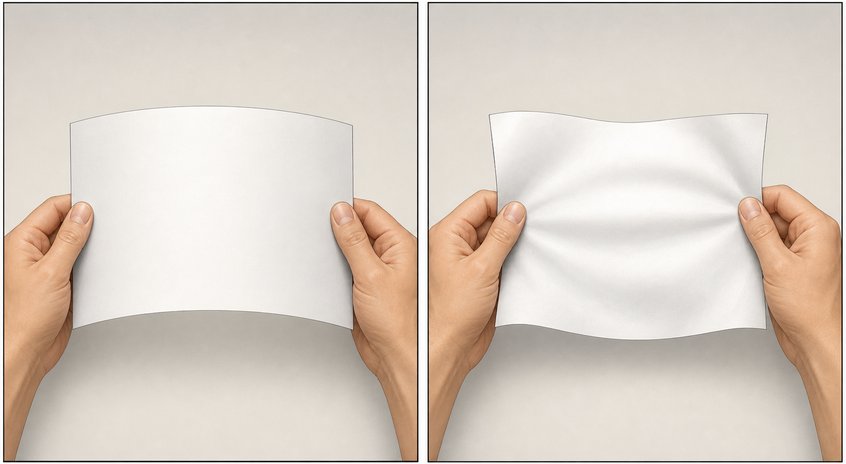
Paper generally bends more easily and smoothly with the grain. Bending across the grain creates greater resistance and may produce roughness or cracking.
Excessive sewing tension can tear holes, distort sections, and create uneven spine swell. Thread should be firm enough to hold sections together without crushing them.
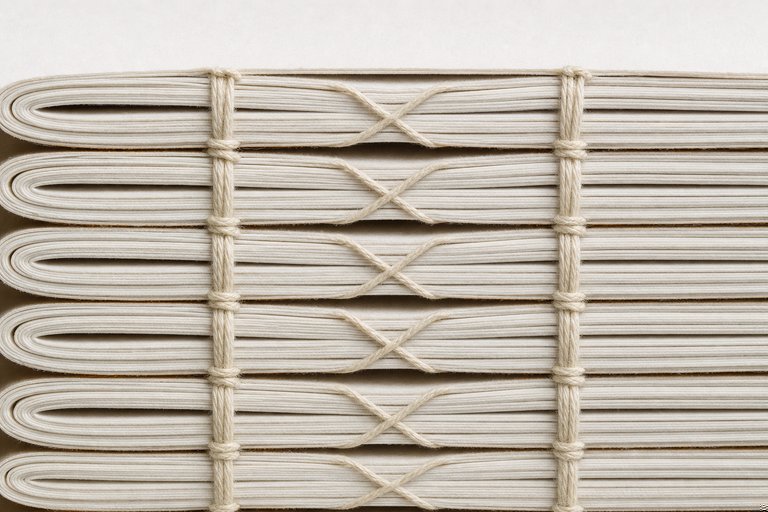
French link sewing links each new section to the previous one at paired stations, producing a decorative crossed or chain-like pattern on an exposed spine.
A nipping press applies controlled, even pressure. It helps flatten sections, improve adhesive contact, set folds, and consolidate the finished structure.
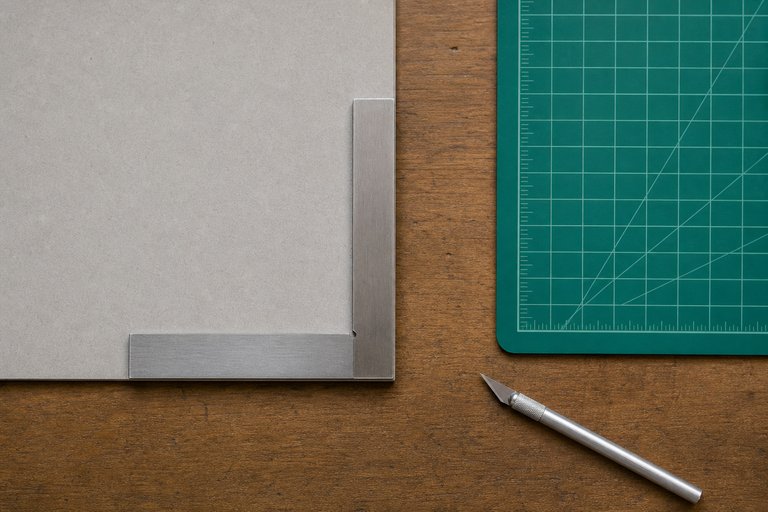
A bookbinder's square provides a precise right angle for marking and checking boards, paper, and cloth during cutting and assembly.
Acid-free, lignin-free paper is less likely to yellow and become brittle over time. Lignin and harmful acids accelerate paper deterioration.
Free CourseCrochet complete course
5

(2)

2h57m

20 exercises
Free CourseLearn to Crochet
5
(1)
45m
6 exercises
Free CourseJewelry Making Classes
5
(2)
2h43m
14 exercises
Free CourseSculpting a head tutorial
5
(1)
31m
Free CourseBeginner crochet lessons
4.2
(14)
11h11m
26 exercises
Free CourseSculpture Course
New
3h39m
8 exercises
Thousands of online courses in video, ebooks and audiobooks.
To test your knowledge during online courses
Generated directly from your cell phone's photo gallery and sent to your email

Download our app via QR Code or the links below:.



Carry knowledge in your pocket.
Download the Cursa app.
There are hundreds of free courses available, with a free certificate of completion that is saved in your mobile image gallery.
Download the app to access the Course Completion Certificate for Free.


+ 10 million
students

Free and Valid
Certificate

60 thousand free
exercises

4.8/5 rating in
app stores

Free courses in
video and ebooks