Exercises
How well do you understand effective communication in child care? This quiz explores essential caregiver skills for building trusting, supportive relationships with young children. Test your knowledge of active listening, positive and age-appropriate language, eye contact, body language, and strategies that encourage children to express themselves openly. You will also examine common barriers to communication, the impact of negative language, and how respectful interactions can support a child’s confidence, emotional wellbeing, and development. Ideal for child care professionals, early years educators, students, and anyone who works with children.
Answer the questions below and check the explanation for each answer.
0/10 answered
Auto audio on: the next questions will be read aloud when you click Continue.
Effective communication with children is crucial as it helps build trust and understanding between caregivers and children. This creates a positive environment for the child's development and learning.
Using simple and clear language is a vital strategy when communicating with young children as it ensures they understand the messages conveyed.
Active listening is beneficial in child-caregiver interactions as it shows respect and validates the child's feelings, helping them feel valued and understood.
Using technical jargon can be a barrier to effective communication as children might find it difficult to understand complex language, leading to confusion.
Positive communication can significantly boost a child's self-esteem and confidence, encouraging healthy development and interpersonal skills.
Encouraging children to express themselves enhances communication as it helps them articulate their thoughts and feelings, leading to more meaningful interactions.
Caregivers should avoid negative language because it can lead to misunderstandings and create an atmosphere of fear, hindering healthy communication.
Body language plays a crucial role as it supports verbal communication by reinforcing messages and helping convey emotions and intentions to children.
Creating a safe and supportive environment fosters open communication, encouraging children to share their thoughts and feelings without fear of judgment.
Using eye contact in communication signals attention and interest, helping to establish a connection and making the child feel heard and important.
Thousands of online courses in video, ebooks and audiobooks.
To test your knowledge during online courses
Generated directly from your cell phone's photo gallery and sent to your email

Download our app via QR Code or the links below:.


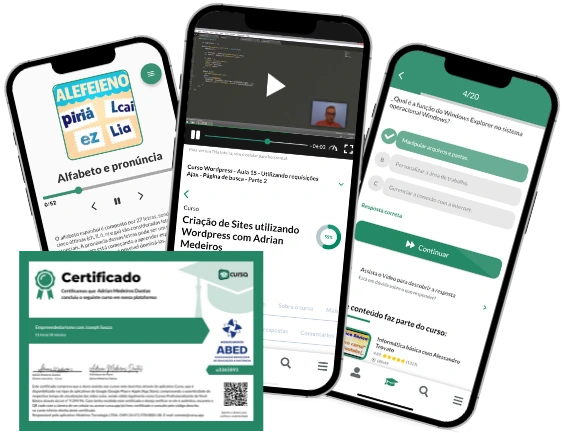
Carry knowledge in your pocket.
Download the Cursa app.
There are hundreds of free courses available, with a free certificate of completion that is saved in your mobile image gallery.
Download the app to access the Course Completion Certificate for Free.


+ 10 million
students

Free and Valid
Certificate

60 thousand free
exercises

4.8/5 rating in
app stores

Free courses in
video and ebooks