Exercises
This quiz assesses practical knowledge of diapering and toileting hygiene in child care settings. Questions cover hand hygiene, changing-surface preparation, safe wiping, diaper disposal, disinfectant contact time, glove use, cloth-diaper handling, potty-chair sanitation, and separation of clean and contaminated items. Apply infection-control principles to realistic care routines and visual scenarios.
Answer the questions below and check the explanation for each answer.
0/11 answered
Auto audio on: the next questions will be read aloud when you click Continue.
Caregivers should clean their hands before and after every diaper change. This protects the child before care begins and limits the spread of microorganisms afterward, even when gloves are worn.
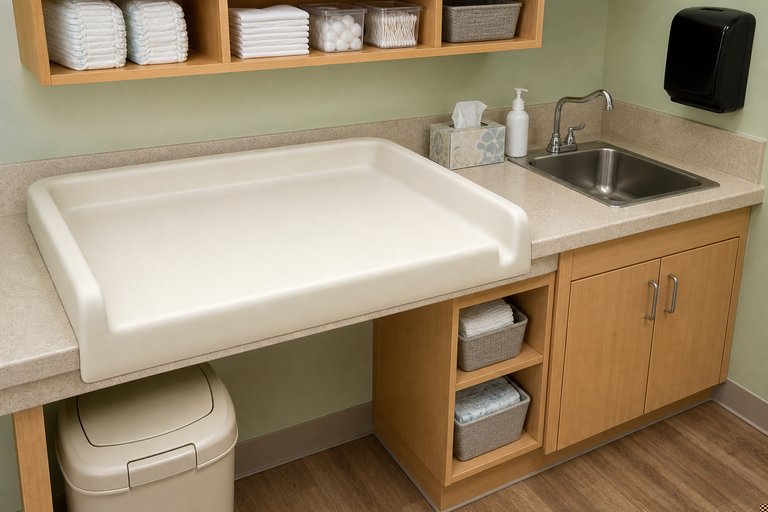
A smooth, nonabsorbent surface can be cleaned and disinfected thoroughly. Fabric and unfinished wood may absorb moisture and contamination, making reliable disinfection difficult.
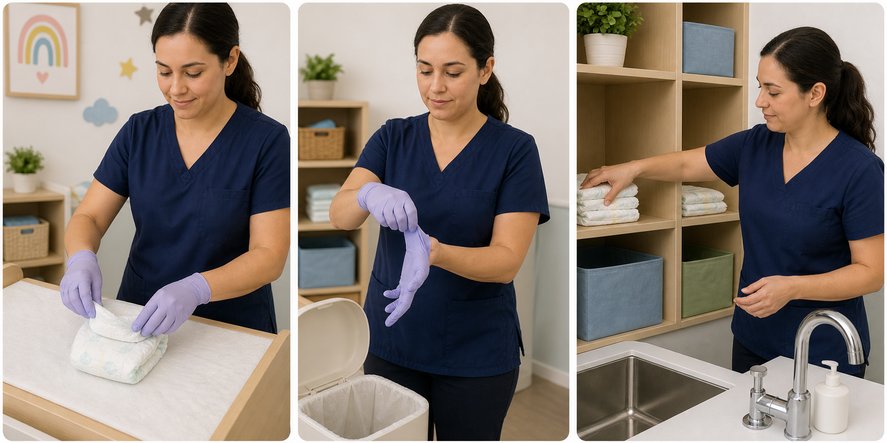
Hands may become contaminated while gloves are removed. Touching clean supplies before performing hand hygiene can transfer microorganisms to items used for other children.
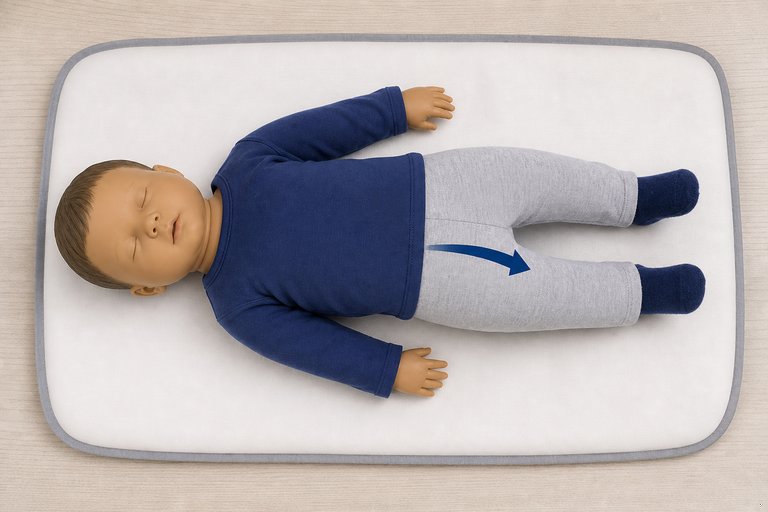
Wiping from front to back reduces the chance of transferring fecal microorganisms toward the urethral area. A fresh section of the wipe should be used for each stroke.
Folding the diaper inward helps contain contamination. A lined, covered receptacle operated without hands reduces contact with the bin and limits the spread of waste and odors.
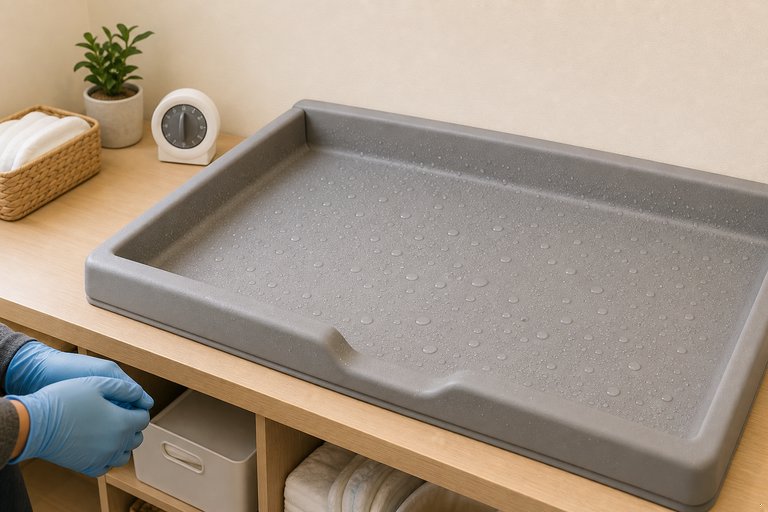
A disinfectant must remain on the surface for the contact time stated on its label. Wiping it away too soon may prevent it from effectively inactivating microorganisms.
A torn glove no longer provides an effective barrier. The caregiver should remove the gloves safely, perform hand hygiene, and apply a new pair before continuing contamination-prone tasks.
Preparing supplies in advance allows the caregiver to maintain supervision and keep a hand near or on the child as required. A child should never be left unattended on a changing surface.
Child-care staff should generally avoid rinsing cloth diapers on site because rinsing can spread contamination. The diaper should be contained in a sealed, labeled waterproof bag according to facility policy and local requirements.
The child should be assisted with handwashing. The potty's contents belong in the toilet, and the chair must be cleaned and disinfected after each use in an appropriate area away from food handling.
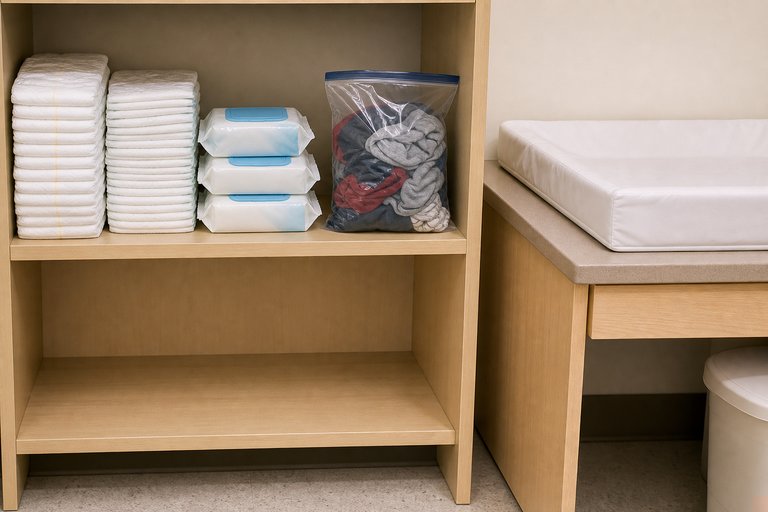
Clean supplies must be separated from contaminated or potentially contaminated items. Even when sealed, soiled clothing should be stored in a designated location away from diapers, wipes, and other clean materials.
Thousands of online courses in video, ebooks and audiobooks.
To test your knowledge during online courses
Generated directly from your cell phone's photo gallery and sent to your email

Download our app via QR Code or the links below:.


Carry knowledge in your pocket.
Download the Cursa app.
There are hundreds of free courses available, with a free certificate of completion that is saved in your mobile image gallery.
Download the app to access the Course Completion Certificate for Free.


+ 10 million
students

Free and Valid
Certificate

60 thousand free
exercises

4.8/5 rating in
app stores

Free courses in
video and ebooks