
Exercises
This quiz evaluates the essential knowledge barbers need when performing chemical hair-relaxing services. Questions cover hydroxide and thio relaxers, product compatibility, client consultation, strand testing, scalp protection, application zones, processing, neutralization, and signs of chemical damage. It also reinforces safe decision-making, manufacturer-directed procedures, and accurate service documentation.
Answer the questions below and check the explanation for each answer.
0/20 answered
Auto audio on: the next questions will be read aloud when you click Continue.
Relaxers straighten hair by altering disulfide bonds within its protein structure. These bonds contribute significantly to the hair's natural curl pattern and strength.
Hydroxide relaxers cause lanthionization, in which a sulfur atom is removed from cystine and the disulfide bond is permanently changed.
Hydroxide and thio relaxers are chemically incompatible. Applying one over hair treated with the other can weaken the structure severely and lead to breakage.
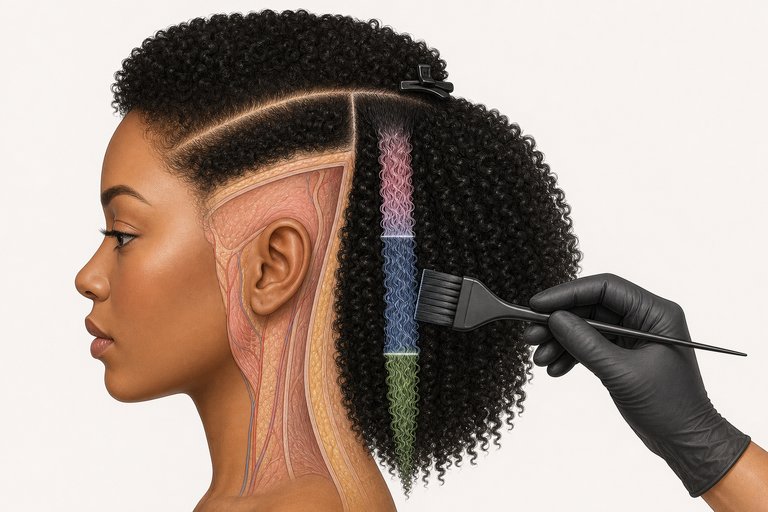
Heat from the scalp accelerates chemical activity. Delaying application to the scalp-adjacent zone helps promote more even processing and reduces overprocessing risk.
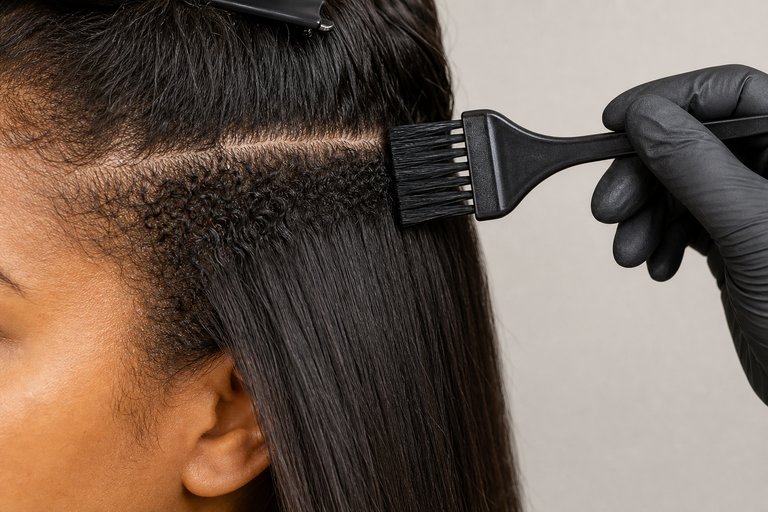
A retouch relaxer belongs only on unprocessed new growth. Overlapping onto previously relaxed hair can weaken it and cause breakage.
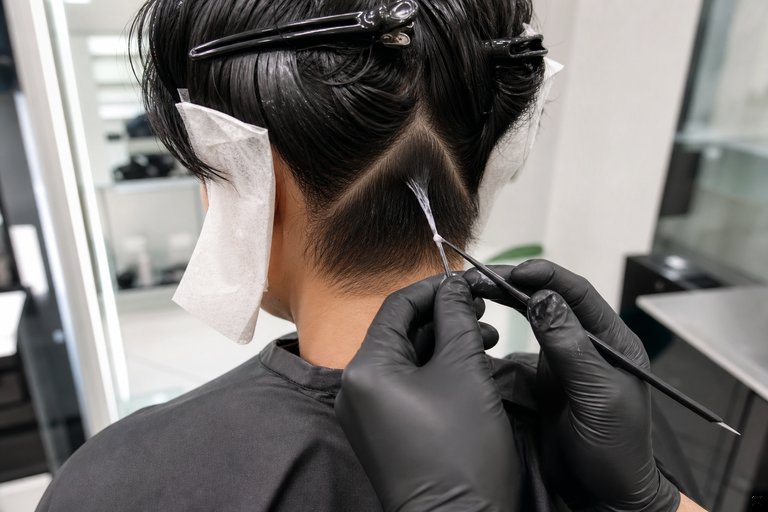
A strand test reveals how the hair responds, including processing behavior, straightening results, and possible weakness. It supports safer product and timing decisions.
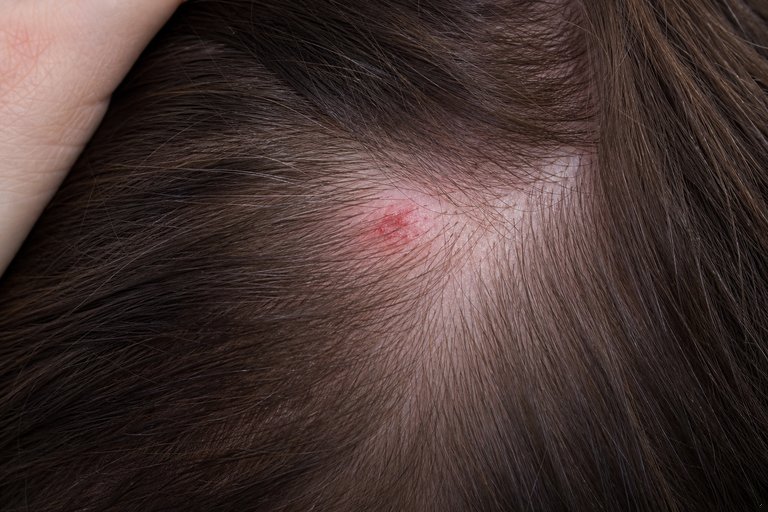
A relaxer should not be applied when the scalp has abrasions, sores, or significant irritation. The alkaline product could intensify injury, so the service must be postponed.
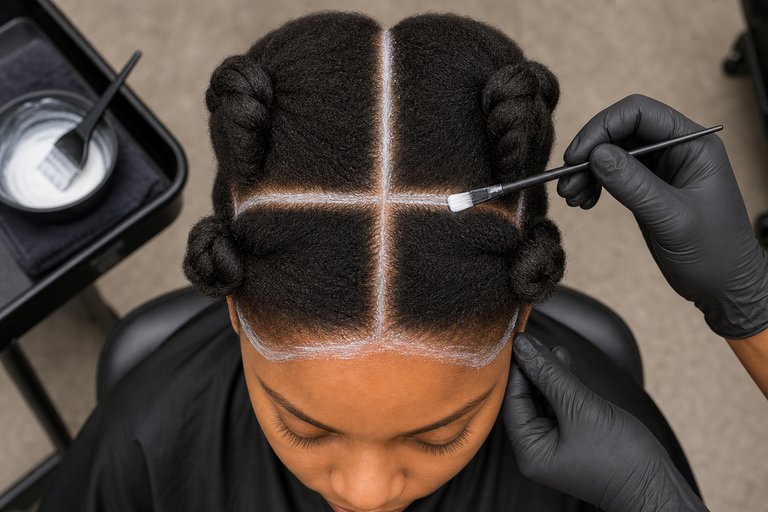
In a traditional base-relaxer service, protective base forms a barrier that helps reduce direct chemical contact with the scalp. It does not neutralize the hair.
A no-base relaxer contains protective components, so a full scalp base is generally unnecessary. The hairline and sensitive areas should still be protected as the manufacturer directs.
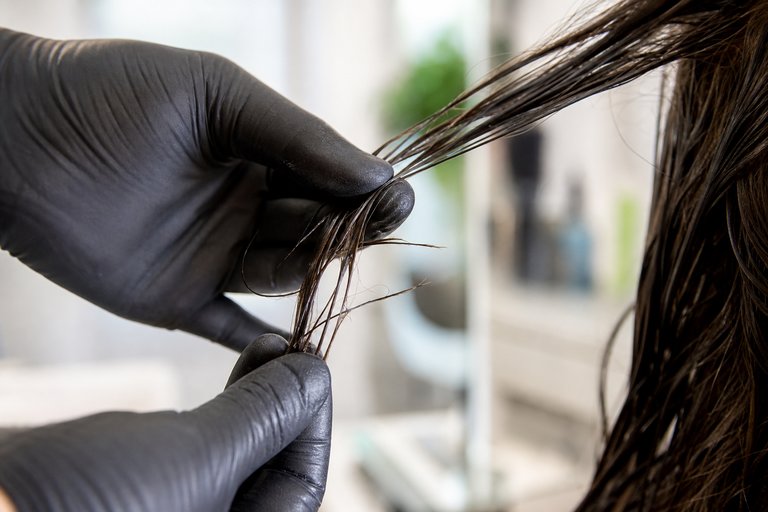
Excessive stretching, a gummy texture, and easy breakage are warning signs of severely weakened or overprocessed hair. Additional chemical processing should not be performed.
The appropriate post-relaxer shampoo removes remaining chemical residue and helps return the hair and scalp toward a safer pH. It does not reverse lanthionization.
Thio neutralizer stops the reducing action and oxidizes the hair, helping disulfide bonds reform while the hair is held in its straighter configuration.
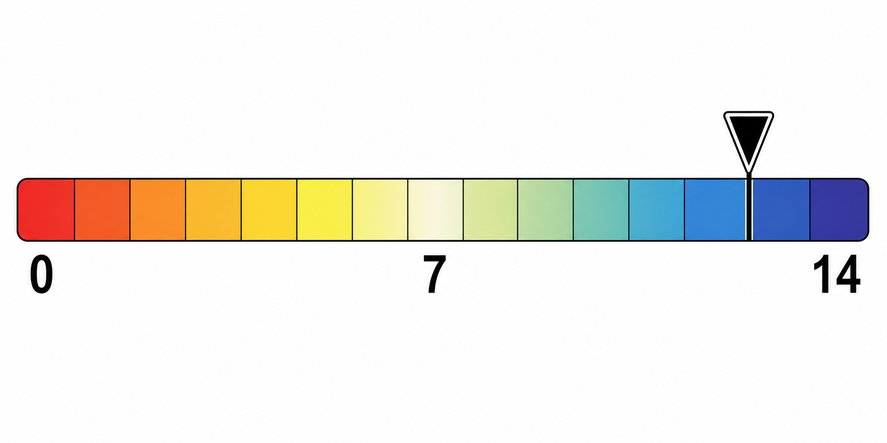
A pH around 12 is strongly alkaline. Many relaxers have a high pH that swells the hair and enables significant structural change.
Previous relaxers, color treatments, lighteners, and other chemical services affect compatibility and hair strength. This history must be considered with a hair and scalp analysis.
Maximum processing times must not be exceeded. Continuing beyond the manufacturer's directions can cause scalp injury and serious structural damage to the hair.
Previously relaxed hair has already undergone structural change. Reapplying relaxer to that area can weaken it further, often causing breakage at the overlap line.
Suitable disposable gloves protect both hands from prolonged contact with highly alkaline chemicals during application, smoothing, checking, and rinsing.
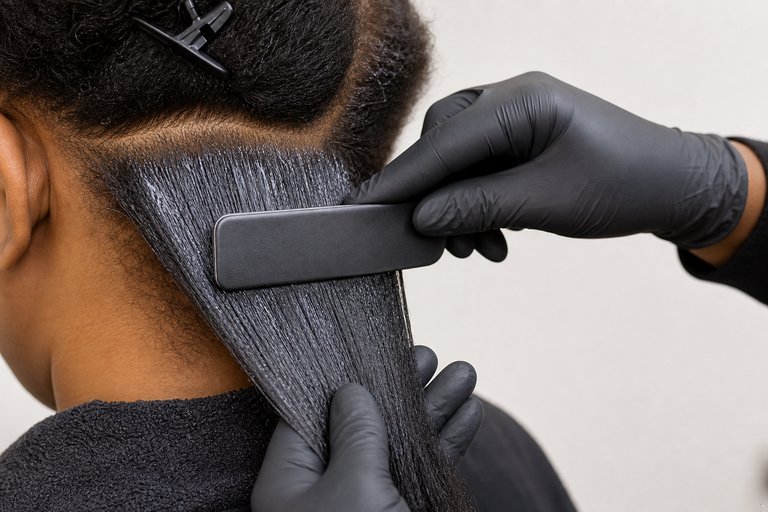
Relaxed hair becomes vulnerable during processing. Gentle smoothing with minimal tension helps distribute the product without scraping the scalp or mechanically damaging the strands.
The relaxer must be rinsed out thoroughly according to product directions. Comfortably warm water supports removal without exposing the client to excessive heat or leaving active residue.
Detailed service records support consistency and safer future decisions. They should include the chemical system, strength, timing, application areas, results, and any hair or scalp reaction.
Free CourseFade haircut for Mens
5

(3)

1h08m

6 exercises
Free CourseHaircut tutorials
5
(2)
5h25m
20 exercises
Free CourseMens haircut course
5
(1)
2h12m
6 exercises
Free CourseHow to Cut Mans Hair
4.8

(4)
2h30m
21 exercises
Free CourseHow to cut hair for beginners
4.6
(31)
1h14m
9 exercises
Free CourseClassic Mens haircut
4.6
(7)
45m
5 exercises
Free CourseHaircut tutorials
4.2
(5)
16h10m
26 exercises
Free CourseBarber training
3.3
(19)
28h27m
23 exercises
Thousands of online courses in video, ebooks and audiobooks.
To test your knowledge during online courses
Generated directly from your cell phone's photo gallery and sent to your email

Download our app via QR Code or the links below:.



Carry knowledge in your pocket.
Download the Cursa app.
There are hundreds of free courses available, with a free certificate of completion that is saved in your mobile image gallery.
Download the app to access the Course Completion Certificate for Free.


+ 10 million
students

Free and Valid
Certificate

60 thousand free
exercises

4.8/5 rating in
app stores

Free courses in
video and ebooks