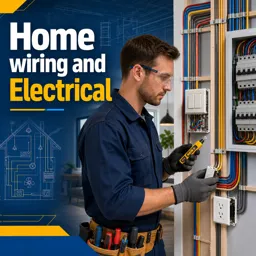
The electrical panel, also known as a breaker box or distribution board, is the central hub of a home’s electrical system. Understanding its functions and maintenance can help homeowners manage their electrical system more effectively. Here’s what you need to know about electrical panels:
- What Is an Electrical Panel? An electrical panel is a metal box that houses circuit breakers or fuses. It distributes electrical power throughout your home, controlling the flow of electricity to various circuits. Each breaker is designed to shut off power to a specific part of the house in case of an electrical overload or fault.
- Signs Your Electrical Panel Needs Attention
- Frequent Breaker Trips: If your breakers trip frequently, it may indicate an overloaded circuit or faulty breaker.
- Burning Smell: A burning smell near the panel is a serious warning sign and requires immediate attention.
- Flickering Lights: This could signal that your panel is struggling to manage the electrical load.
- Age of the Panel: Panels older than 20-30 years may need replacement, as they may not meet current safety standards.
- How to Safely Reset a Circuit Breaker If a breaker trips, follow these steps:
- Turn off all connected devices.
- Locate the tripped breaker; it will be positioned in the middle between on and off.
- Switch it fully to the off position, then back to on.
- If the breaker trips again, it’s time to call an electrician.
- Upgrading Your Electrical Panel Upgrading your panel can provide more power to meet modern demands and improve safety. Consider an upgrade if:
- You’re adding significant appliances or renovations.
- You still have an old fuse-based system.
- Your panel shows signs of wear or struggles to manage current loads.
- Panel Maintenance Tips
- Keep the Area Clear: Ensure easy access to the panel in case of emergencies.
- Label Your Circuits: Clearly label each breaker to identify which circuit it controls.
- Check for Loose Connections: Loose wires can cause sparks or overheating, so have an electrician check connections periodically.
Conclusion
Understanding and maintaining your electrical panel is essential for a safe and functional home. Regular attention to your panel, upgrading when necessary, and knowing when to call for professional help can prevent electrical issues and ensure your home’s electrical system runs smoothly. Investing in proper maintenance helps protect against potential hazards and keeps your home powered reliably.