Introduction to Automotive Engineering
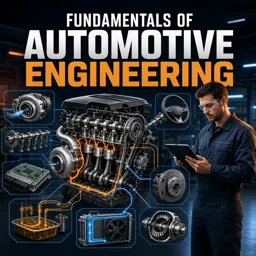
Automotive engineering is a fascinating and multifaceted discipline that focuses on the design, development, manufacturing, and maintenance of vehicles. Whether you are passionate about cars and motorcycles or seeking a dynamic career in the automotive sector, understanding the basics of automotive engineering can pave the way for numerous professional opportunities.
Core Concepts in Automotive Engineering
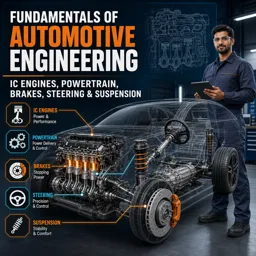
Automotive engineering covers a broad spectrum of topics that include mechanical design, electronics, safety systems, and environmental considerations. Engineers in this field often specialize in:
- Powertrain Systems: Managing the engine, transmission, and related technologies to ensure efficiency and performance.
- Chassis Design: Developing the components that make up the car’s frame and suspension systems for safety and comfort.
- Electronics and Control Systems: Integrating sophisticated electronic systems for improved vehicle operation and driver assistance.
- Emission Controls: Applying solutions to minimize the impact of vehicles on the environment.
Practical Aspects: Car and Motorcycle Repairs
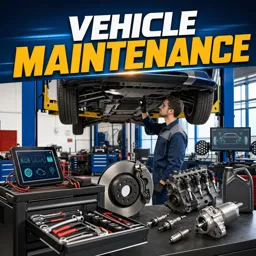
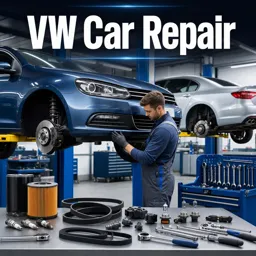
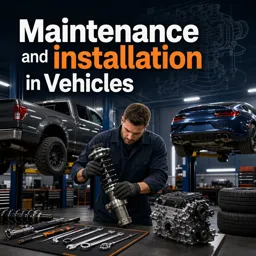
Automotive engineering is not just about creating new vehicles—it’s also about maintaining and repairing them. Professionals in this field require a solid understanding of diagnostic tools, repair procedures, and safety protocols. Key areas include:
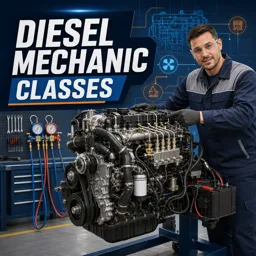
- Engine Maintenance: Techniques for troubleshooting and repairing common engine issues.
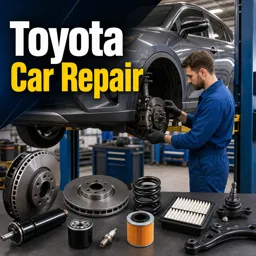
- Brake and Suspension Repairs: Ensuring critical systems are functioning for safety.
- Electrical System Troubleshooting: Diagnosing and repairing wiring and electronic component malfunctions.
- Preventive Maintenance: Regular inspections and service to extend vehicle lifespan.
Building a Career in Automotive Engineering
The world of automotive engineering offers diverse career paths, from hands-on vehicle repairs to cutting-edge technology development. Courses in automotive engineering, especially those that blend theory with practical experience, are ideal for those looking to master car and motorcycle repairs. Whether working in a dealership, independent workshop, or manufacturing plant, skilled automotive engineers and technicians are always in demand.
Conclusion
Automotive engineering is an ever-evolving field that requires both technical expertise and problem-solving skills. By grounding yourself in the fundamentals and engaging in practical repairs, you can embark on a rewarding professional journey in the automotive world.