Introduction
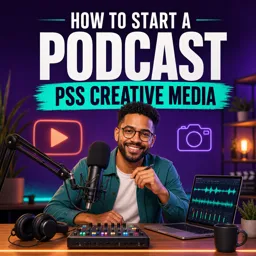
Podcasting can be a powerful extension of your YouTube presence, helping you reach new audiences and share more in-depth content with your followers. But to stand out, you need more than just great ideas—you also need quality equipment. This article will guide you through the essentials of setting up your podcasting studio and how your choices can impact your channel’s professional image and sound.
Why Invest in Proper Podcast Equipment?
In the competitive world of YouTube and podcasting, crystal-clear audio and engaging visuals can help you stand out. Investing in the right tools not only improves your listeners’ experience but also streamlines your workflow, making content creation more enjoyable and efficient.
Microphones: The Heart of Your Studio
Your microphone is arguably the most important piece of podcasting equipment. Consider your recording environment:
- USB Microphones: Easy to use, perfect for beginners. Plug directly into your computer.
- XLR Microphones: Professional quality and flexibility, but require an audio interface or mixer.
Popular choices include the Audio-Technica ATR2100x and the Shure SM7B, both renowned for their clear, rich sound suitable for podcasts and YouTube videos alike.
Headphones: Monitoring Your Sound
Closed-back headphones help you catch background noise or technical issues during recording. Look for comfortable, long-wear options like the Audio-Technica ATH-M50x or Sony MDR-7506.
Audio Interfaces and Mixers
If you use XLR microphones, an audio interface or mixer is essential. These devices connect your mic to your computer and offer greater control over your audio quality. For most solo or two-person shows, simple interfaces like the Focusrite Scarlett or the Rodecaster Pro are excellent starting points.
Sound Treatment for Your Recording Space
Even the best microphone can’t fix a noisy or echo-filled room. Add soft furnishings, foam panels, or portable isolation screens to dampen sound and reduce reverb. This step can dramatically improve the quality of both your podcast and YouTube content.
Cameras for Video Podcasting
If you’re planning to share video versions of your podcast on YouTube, choose a good quality camera with reliable autofocus. DSLR, mirrorless, and some high-end webcams work well for most setups.
Editing Software
Clean up your recordings and edit out mistakes using audio editing software such as Audacity (free), Adobe Audition, or GarageBand. For video, DaVinci Resolve and Adobe Premiere Pro are popular choices among YouTubers.
Conclusion
Building your podcast studio is an investment in your YouTube channel’s future. Start with the essentials and upgrade as your skills and audience grow. The right gear can make your podcast stand out, help you build credibility, and keep your listeners—and viewers—coming back for more.