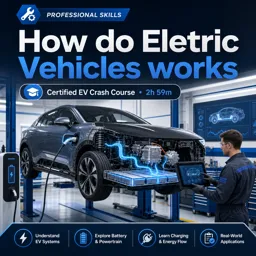
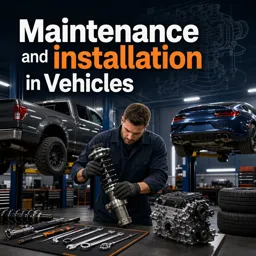
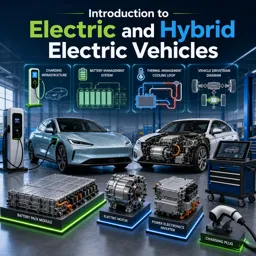
Maintaining an electric vehicle (EV) is different from traditional car maintenance. While EVs have fewer mechanical parts, taking care of them is still crucial to ensure longevity and optimal performance. Here are key maintenance tips for EV owners:
- Battery Health Management The battery is the heart of an EV. To extend its lifespan:
- Avoid frequently charging to 100% unless necessary. Regularly charging to around 80% can help maintain battery health.
- Keep the battery cool. Parking in shaded areas or using climate control during charging can prevent overheating.
- Brake System Maintenance EVs use regenerative braking, which reduces wear on the brake pads. However, it’s still important to check and maintain the braking system regularly to ensure safety and performance.
- Tire Care The instant torque of EVs can cause faster tire wear. Regularly check tire pressure and alignment to avoid uneven wear and maximize efficiency.
- Software Updates Many EVs receive over-the-air software updates that improve performance, add features, and address potential issues. Ensure your vehicle is updated to the latest software version for optimal functionality.
- Coolant System Checks Some EVs have liquid-cooled battery systems. Periodically checking and replacing coolant, as recommended by the manufacturer, helps keep the battery and other components from overheating.
- Charging Equipment Inspection Regularly inspect your home charging equipment for signs of wear or damage. Ensure cables are in good condition and that the charging port is clean and free from debris.
- General Inspection Although EVs have fewer moving parts, components like suspension, steering, and cabin filters still need regular inspection. Following the manufacturer’s maintenance schedule helps avoid unexpected issues.
Conclusion
Maintaining your electric vehicle involves focusing on battery health, software updates, and routine checks of essential systems. By following these guidelines, EV owners can maximize their vehicle’s efficiency, ensure safety, and extend its lifespan. Consistent maintenance helps preserve the long-term value of the car and guarantees a reliable driving experience.