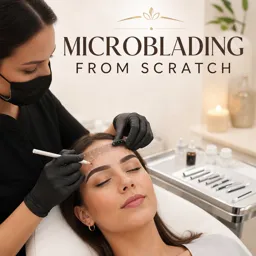
Eyebrow tinting is a popular beauty treatment that involves applying a semi-permanent dye to enhance, shape, and define the brows. This procedure can add color, fill in sparse areas, and give your eyebrows a fuller, more polished look. Whether done at home or in a salon, eyebrow tinting can make a significant difference in your overall appearance. Here’s a guide to help you understand the benefits, the process, and how to choose the right tint color.
Benefits of Eyebrow Tinting
- Enhanced Definition
- Tinting adds depth and dimension to your eyebrows, making them look more defined and structured.
- Fuller Appearance
- If you have thin or sparse eyebrows, tinting can create the illusion of fullness by darkening the fine hairs that are usually less visible.
- Time-Saving
- A tint can reduce the need for daily eyebrow makeup, saving you time in your beauty routine.
- Long-Lasting Results
- Depending on your skin type and the product used, eyebrow tints can last between 4 to 6 weeks.
Choosing the Right Tint Color
- Match Your Hair Color
- For a natural look, choose a tint color that is one to two shades darker than your natural hair color. If you have very light or blonde hair, opt for a soft brown or taupe shade.
- Consider Your Skin Tone
- Your skin tone also plays a role in selecting the right color. Warmer skin tones pair well with warmer shades, while cooler skin tones look best with ashy or cool-toned tints.
- Test the Color
- If you’re unsure about the color, do a patch test on a small section of your brow. This will help you see how the color develops and whether it matches your expectations.
The Eyebrow Tinting Process
- Preparation
- Clean your eyebrows thoroughly to remove any makeup, oils, or impurities. This ensures the tint adheres properly.
- Apply a thin layer of petroleum jelly around your eyebrows to protect the surrounding skin from staining.
- Application
- Mix the tint according to the instructions provided. Use a brush or applicator to apply the tint evenly to your eyebrows, making sure all the hairs are covered.
- Let the tint sit for the recommended time, usually between 5 to 15 minutes, depending on the desired intensity.
- Removal
- Wipe off the tint with a damp cotton pad or cloth. If the color is too light, you can reapply and leave it on for a few more minutes.
- Rinse your eyebrows with lukewarm water to remove any residue.
Aftercare Tips
- Avoid Washing Your Brows
- Avoid washing your eyebrows or using oil-based products for at least 24 hours after tinting to allow the color to set.
- Moisturize
- Keep your eyebrows moisturized with a gentle, hydrating product to maintain their health and appearance.
- Touch-Ups
- Schedule regular touch-ups every 4 to 6 weeks to keep your brows looking fresh and defined.
Conclusion
Eyebrow tinting is a simple yet effective way to enhance your natural brows and achieve a more polished look. By choosing the right color and following the proper application process, you can enjoy beautifully defined eyebrows with minimal effort. Whether you opt for a DIY approach or visit a professional salon, eyebrow tinting can make a noticeable difference in your overall appearance, boosting your confidence and saving you time in your daily routine.