Introduction
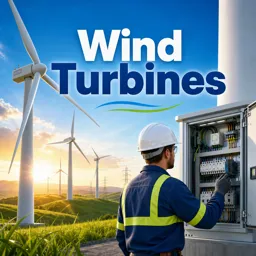
Wind energy has rapidly become a pivotal force in the transition toward sustainable energy sources. For electricians, this growth opens up a wealth of new career paths and specialties. Understanding what wind energy projects demand from electrical professionals can empower electricians to advance their skills and tap into an expanding industry.
The Growing Demand for Electricians in Wind Energy
With governments and private enterprises investing heavily in wind power infrastructure, the need for electricians with knowledge of renewable energy is rising. Wind farms require skilled hands not only during installation but also for ongoing maintenance and troubleshooting.
Essential Skills for Wind Energy Electricians
- Electrical System Integration: Electricians working in wind energy must be proficient in integrating turbine-generated electricity into existing grids, managing transformers, switchgear, and control panels.
- Problem-solving: Diagnosing and addressing faults in wind energy systems demands strong analytical and technical abilities.
- Safety Awareness: Wind installations often occur at considerable heights and in variable weather, requiring adherence to strict safety protocols and use of specialized harnesses and equipment.
- Understanding of Renewable Energy: Familiarity with concepts like inverters, energy storage, and smart grid technologies enables electricians to optimize system performance.
Certification and Training Opportunities
Many professional courses and certifications can help electricians develop the specific skills required for wind energy work. Topics typically covered include:
- Electrical systems unique to wind turbines
- Maintenance strategies for large-scale wind projects
- Renewable energy regulations and best practices
Career Paths and Advancement
Electricians starting out in wind energy may work as installation technicians or maintenance specialists. With experience, they can progress to roles such as project managers, site supervisors, or renewable energy consultants. Continuing education and hands-on experience are key to moving up in this dynamic field.
Conclusion
The wind energy sector offers promising opportunities for electricians willing to adapt and learn. By gaining expertise in this field, professionals not only further their careers but also contribute to a cleaner, more sustainable future.