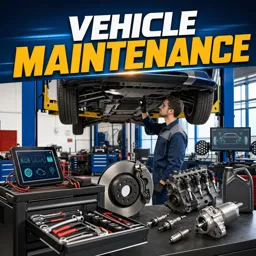
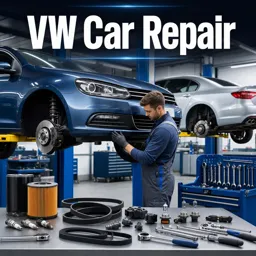
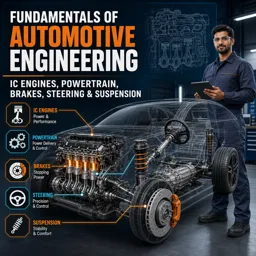
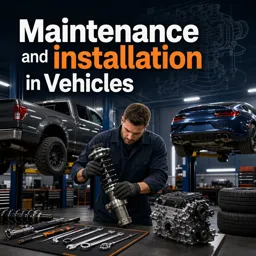
Embarking on a professional course in car and motorcycle repairs means embracing a new world filled with useful knowledge and, perhaps just as important, dynamic tools. Any skilled repair expert knows that an efficient workspace with the proper equipment is crucial both for learning and excelling in the automotive repair industry. Let’s explore the indispensable tools every aspiring car repair professional should have in their toolkit.
1. Socket and Wrench Sets
Quality socket and wrench sets form the backbone of any car repair operation. They’re designed to remove or secure bolts and nuts of various sizes, from engine mounts to tire bolts. Choose a comprehensive set with both metric and standard sizes for versatility.
2. Screwdrivers (Flathead & Phillips)
Cars are filled with screws of all shapes and sizes. A robust set of screwdrivers, including both flathead and Phillips heads in multiple lengths and thicknesses, ensures you’ll never be stalled during a repair task.
3. Jack and Jack Stands
Whether you’re changing tires or accessing the underside for repairs, a heavy-duty hydraulic jack coupled with secure jack stands is mandatory for safety and efficiency.
4. Pliers and Wire Cutters
From pinching hoses to snipping wires, pliers (including needle-nose and channel lock varieties) and wire cutters will become frequent extensions of your hands.
5. Diagnostic Scan Tool
Modern vehicles are equipped with sophisticated computer systems. An OBD-II diagnostic tool lets you read fault codes and identify engine, transmission, or sensor issues quickly—critical for today’s automotive repairs.
6. Torque Wrench
For critical repairs, such as tightening cylinder heads or lug nuts, a torque wrench provides precision, preventing both under-tightening and over-tightening that can lead to costly future issues.
7. Multimeter
Electrical systems power everything from headlights to engine management. A multimeter helps you test battery voltage, continuity, or faulty wires, making it essential for troubleshooting electrical problems.
8. Oil Filter Wrench
Changing a car’s oil filter can be frustrating without the right tool. An oil filter wrench is designed to grip and twist stubborn filters, making regular maintenance smooth and hassle-free.
9. Pry Bars and Trim Removal Tools
Removing interior panels or stubborn parts requires leverage without damaging the vehicle. A set of plastic trim tools and sturdy pry bars helps you get the job done cleanly.
10. Work Light and Safety Gear
Proper visibility is essential in often dark and cramped engine bays. Invest in a bright, adjustable work light. And never forget safety glasses and gloves—your first line of defense against accidents.
Building Your Toolkit: Final Thoughts
While specialized jobs may demand advanced equipment, mastering these core tools prepares you for most car and motorcycle repairs. As you advance in your professional course, you’ll learn to choose the right tool for every job—a skill that will set you apart in the industry.
Equip yourself properly, and you’ll be ready to tackle the world of automotive repairs with confidence and professionalism!