Electronics has played an increasingly important role in the automotive industry, enabling the development of technologies such as autonomous vehicles, driver assistance systems and on-board electronics. With the growing interest in autonomous and connected cars, Electronics has become a key area for vehicle innovation and improvement.
Autonomous vehicles are one of the main trends in the automotive industry and are possible thanks to Electronics. Sensors, cameras and radars are used to detect obstacles and other vehicles, allowing the vehicle to move autonomously. In addition, Electronics is fundamental for the development of communication and telematics systems, allowing vehicles to connect to other devices and services.
Driver assistance systems such as automatic brakes, blind spot sensors and collision alerts are another important application of electronics in the automotive industry. These systems use sensors and cameras to detect and prevent accidents, making the vehicle safer and more efficient.
On-board electronics, which include entertainment, navigation and communication systems, have also proven to be an important area of innovation in the automotive industry. With the use of touch screens, voice assistants and facial recognition systems, it is possible to offer drivers and passengers a more interactive and personalized experience.
However, Electronics in the automotive industry also presents challenges. One of the main challenges is ensuring the safety of electronic systems, especially in autonomous vehicles, which need to be able to make critical decisions in emergency situations. The privacy of drivers and passengers is also an important concern, especially with regard to the use of telematics and communication systems.
Another challenge is ensuring interoperability between vehicle electronic systems, allowing different devices and services to connect and communicate with each other. In addition, it is important to ensure the availability of high-quality electronic parts and components, in order to avoid failures and defects that could endanger the safety of drivers and passengers.
In summary, Electronics plays a key role in the innovation and improvement of the automotive industry. With the use of technologies such as autonomous vehicles, driver assistance systems and on-board electronics, it is possible to make vehicles safer, more efficient and more personalized. However, it is important to guarantee the security and privacy of users, in addition to the interoperability and quality of the electronic systems used. Electronics has a crucial role in the future of the automotive industry, but it needs to be used in a conscious and planned way,
in order to offer solutions that meet the needs of users and that are safe and reliable. It is essential that professionals in the automotive industry are trained to develop and use electronic technologies, as well as to ensure the quality and safety of the electronic systems used in vehicles.
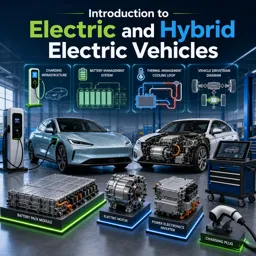
Another important trend in the automotive industry is the use of sustainable technologies, such as electric and hybrid cars. Electronics is fundamental for the development and improvement of these vehicles, including the development of more efficient batteries and the use of energy recovery systems. With the use of these technologies, it is possible to reduce the emission of polluting gases and reduce the environmental impact of vehicles.
In summary, Electronics in the automotive industry is an area of great importance that presents great challenges and opportunities. The use of technologies such as autonomous vehicles, driver assistance systems and on-board electronics has the potential to transform the way we relate to vehicles, making them safer, more efficient and personalized. However, it is essential that industry professionals are trained to develop and use these technologies, ensuring the safety and quality of the electronic systems used. With the conscious and planned use of Electronics, it is possible to build a safer, more efficient and sustainable future for the automotive industry.