The mobile phone repair business has become an enticing venture for entrepreneurs looking to tap into a lucrative market. With the ever-increasing dependency on smartphones, people are constantly in need of repair services for various issues that may arise. This guide will take you through the essential steps of setting up your own mobile phone repair business.
Understanding the market
Before you jump into the mobile phone repair industry, it’s crucial to understand the market dynamics. Analyze the demand for repair services in your area, identify your competitors, and find your niche. Are you targeting individual consumers, businesses with fleets of phones, or specific models?
Gaining technical skills
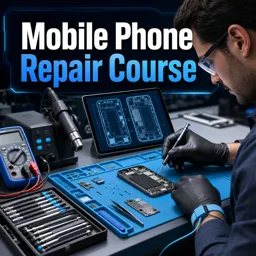
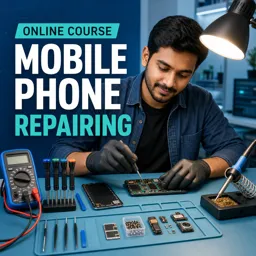
Technical skills are indispensable in this field. Consider enrolling in courses that cover a wide range of mobile phone models and repair techniques. Certifications from reputed institutions can also add credibility to your business. Practical, hands-on experience is key, so start by practicing on broken devices sourced from friends or buy used ones from online marketplaces.
Investing in equipment
Investing in the right tools and equipment can significantly impact the quality of your service. Basic tools include screwdrivers, heat guns, multimeters, and soldering irons. Make sure to buy high-quality tools as they will pay off in the long run by making repairs more efficient and professional.
Setting up your shop
Decide whether you want a physical storefront, an online service, or both. A store provides visibility and credibility, whereas an online model offers convenience and reach. You may also consider a mobile repair service where you travel to the customer’s location.
Marketing strategies
Effective marketing is crucial for attracting customers. Leverage social media platforms to showcase your expertise through tutorials and testimonials. Partner with related businesses like electronic stores and phone accessory shops for referrals. Also, make sure you have a clear, easily navigable website to book your services online.
Setting pricing models
Pricing can be tricky. Research what your competitors are charging and decide whether you can offer a competitive rate or a value-added service that justifies a higher price. Offering packages for frequent services or bulk repairs can be an attractive option.
Maintaining high-quality service
The best way to ensure repeat business is to provide exceptional service. Use quality parts, deliver repairs on time, and maintain excellent customer service. Transparent communication about what the issue is, the cost, and the time required can build trust and loyalty.
Conclusion
Starting a mobile phone repair business involves technical skills, wise investments, and strategic planning. With dedication and commitment, you can establish a successful business that serves a growing consumer base.