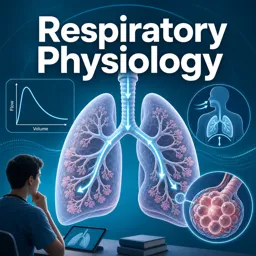


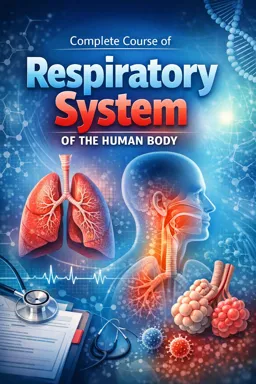


Respiratory physiology is the study of how the lungs and airways provide oxygen to the body and remove carbon dioxide.

1

1

Exercises

Gas Exchange in the Lungs: Unveiling the Core of Respiratory Physiology
Learn how gas exchange in the lungs works, from alveoli function to diffusion and clinical relevance, and why it’s vital for human health.

How the Respiratory System Adapts During Physical Activity
Discover how the respiratory system adapts during exercise, from increased breathing rates to long-term lung capacity improvements that boost performance.

The Mechanics of Breathing: Exploring How Our Lungs Work
Learn how the mechanics of breathing work, from inspiration and expiration to gas exchange and regulation, and why healthy lungs are vital for life.

Understanding Respiratory Physiology: A Key to Human Health
Discover the fundamentals of respiratory physiology—anatomy, gas exchange, breathing mechanics, and clinical importance for health and medicine.
Explore our selection of free online courses in Respiratory Physiology and develop a clear understanding of how the human respiratory system functions. These educational courses are ideal for medical students, nursing students, healthcare professionals, biology learners, physical education students, and anyone interested in pulmonary science. All courses are free, include exercises to reinforce learning, and offer free certification after the required educational activities are completed.
The course content introduces essential concepts related to pulmonary ventilation, gas exchange, lung volumes, respiratory mechanics, oxygen transport, carbon dioxide transport, and the regulation of breathing. Learners can review how the lungs, airways, respiratory muscles, blood, and nervous system work together to maintain effective respiration and physiological balance.
Study at your own pace with accessible educational materials that support independent learning and academic revision. The included exercises help you check your understanding of respiratory processes and consolidate important terminology. These free Respiratory Physiology courses also provide free certification, allowing learners to document their studies and strengthen an academic or professional profile.
To access and complete the courses, it is necessary to install the Cursa application. Android users can obtain the app through Google Play by selecting Download for Android. iPhone users can install it through the App Store by selecting Download for iOS / iPhone. After installation, browse the available Respiratory Physiology classes, begin studying for free, complete the exercises, and follow the instructions to receive your free certificate.
Build foundational knowledge, revise complex pulmonary concepts, and expand your health science education with flexible online learning. Choose a free course, install the application, and start learning Respiratory Physiology with structured lessons, educational exercises, and free certification.
What is respiratory physiology?
Respiratory physiology is the study of how the lungs and airways provide oxygen to the body and remove carbon dioxide.
What topics are covered in a respiratory physiology course?
Courses commonly cover ventilation, gas exchange, oxygen transport, carbon dioxide regulation, lung volumes, and control of breathing.
What is the difference between ventilation and respiration?
Ventilation is the movement of air into and out of the lungs, while respiration includes gas exchange and cellular use of oxygen.
How does gas exchange occur in the lungs?
Oxygen and carbon dioxide diffuse across the thin alveolar-capillary membrane according to their partial-pressure gradients.
What are lung volumes and capacities?
They are measurements of air in the lungs, including tidal volume, residual volume, vital capacity, and total lung capacity.
How is oxygen transported in the blood?
Most oxygen is carried bound to hemoglobin in red blood cells, with a small amount dissolved in plasma.
Who can benefit from studying respiratory physiology?
Medical, nursing, physiotherapy, biology, and allied health learners can benefit from understanding respiratory system function.

Complete any course and issue your certificate via the app — at no cost.

Download the app! to have access to more than 4,000 Online Courses + Certificate, all free!
Download the app! 100% free courses.


Carry knowledge in your pocket.
Download the Cursa app.
There are hundreds of free courses available, with a free certificate of completion that is saved in your mobile image gallery.
Download the app to access the Course Completion Certificate for Free.


+ 10 million
students

Free and Valid
Certificate

60 thousand free
exercises

4.8/5 rating in
app stores

Free courses in
video and ebooks