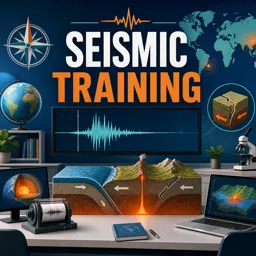


Seismology is the study of earthquakes, seismic waves, and Earth’s internal structure.

2

1



How Seismology Helps Predict and Understand Earthquakes
Discover how seismology helps detect, analyze, and predict earthquakes, contributing to safer communities and deeper understanding of Earth’s seismic activity.

Seismology Tools and Techniques: Unraveling Earth’s Vibrations
Explore the key tools and techniques in seismology that help detect, analyze, and understand Earth’s seismic vibrations for better safety and scientific insight.

The Role of Seismology in Understanding Earth’s Interior
Discover how seismology helps us understand Earth’s internal structure through seismic waves, improving earthquake monitoring, resource exploration, and public safety.

Understanding Seismology: Exploring Earth’s Shaking Science
Explore the science of seismology, its role in understanding earthquakes, seismic waves, and how it helps protect society through advanced technology and research.
Explore our selection of free online Seismology courses and develop essential knowledge about earthquakes, seismic waves, Earth structure, and geophysical monitoring. These educational courses are suitable for students, teachers, researchers, geology enthusiasts, and professionals who want to study seismological concepts through accessible online learning. Every course is free, includes exercises, and offers free certification after completion.
Seismology is the scientific study of earthquakes and the propagation of elastic waves through the Earth. Through these free courses, learners can examine how earthquakes originate, how seismic energy travels, and how scientists use seismographs to collect and interpret data. The lessons may cover foundational and advanced educational topics, helping you build a structured understanding of earthquake science without tuition fees.
Each learning program includes educational exercises designed to reinforce key concepts and encourage practical review. Activities can help learners test their understanding of seismic wave behavior, earthquake measurement, tectonic processes, and data interpretation. After completing an eligible course, you can obtain a free course certificate to document your studies and support your academic or professional development.
These free online courses can benefit undergraduate and graduate students, educators, civil engineering learners, environmental science students, emergency management professionals, and anyone interested in geoscience. No matter your learning objective, the flexible format allows you to study at your own pace and revisit educational content whenever necessary.
To access the Seismology courses, exercises, and free certification, it is necessary to install the Cursa application. Android users can install it through Google Play at Download for Android. iPhone users can install it through the App Store at Download for iOS / iPhone.
Start studying today with high-quality free Seismology courses online. Expand your knowledge of earthquakes, seismic instruments, geophysics, and Earth processes while completing exercises and earning free certification through a convenient educational application.
What is seismology?
Seismology is the study of earthquakes, seismic waves, and Earth’s internal structure.
What will I learn in an online seismology course?
You can learn how earthquakes occur, how seismic waves are measured, and how seismic data supports hazard assessment.
Is seismology training suitable for beginners?
Yes. Introductory seismic training can cover core concepts before moving into data analysis and hazard applications.
What are seismic waves?
Seismic waves are vibrations released by earthquakes or other ground disturbances that travel through and along Earth.
How does seismology help with earthquake hazard awareness?
Seismology identifies earthquake patterns, measures ground motion, and informs preparedness, planning, and community resilience.
Does seismology include fieldwork and geographic analysis?
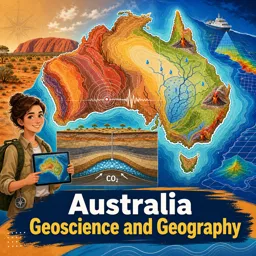
Many courses combine field observations, geography, geoscience, and seismic records to interpret earthquake-related processes.
What is practical seismology for community resilience?
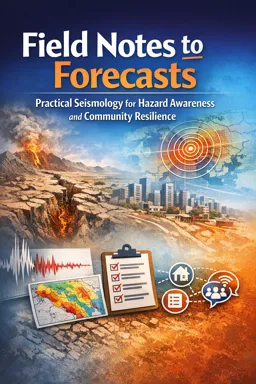
It applies seismic observations and forecasts to help communities understand hazards, prepare for earthquakes, and reduce risk.

Complete any course and issue your certificate via the app — at no cost.

Download the app! to have access to more than 4,000 Online Courses + Certificate, all free!
Download the app! 100% free courses.


Carry knowledge in your pocket.
Download the Cursa app.
There are hundreds of free courses available, with a free certificate of completion that is saved in your mobile image gallery.
Download the app to access the Course Completion Certificate for Free.


+ 10 million
students

Free and Valid
Certificate

60 thousand free
exercises

4.8/5 rating in
app stores

Free courses in
video and ebooks