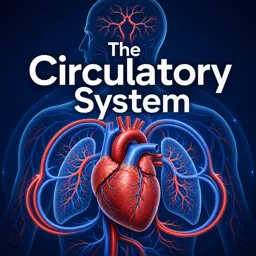
Pulmonary circulation carries blood between the heart and lungs for gas exchange, while coronary circulation supplies oxygenated blood to the heart muscle itself.

Duration of the online course: 5 hours and 8 minutes
New
Master circulatory anatomy with a free online course—heart pathways, major arteries and veins, plus quizzes to study smarter and earn a certificate.
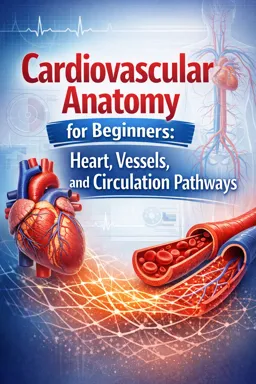
Understanding how blood moves through the body is one of the fastest ways to make anatomy feel clear, connected, and clinically meaningful. This free online course on the circulatory system helps you build a solid mental map of cardiovascular anatomy, from the structure of the heart to the pathways that deliver oxygen and nutrients to every region. You will learn to recognize key vessels, follow flow step by step, and connect what you see in diagrams and models to real physiological purpose.
Start by strengthening your grasp of the heart itself and the logic behind one-way circulation, including the structures that prevent backflow and keep blood moving efficiently. From there, you will trace pulmonary circulation and systemic routes, distinguishing what happens in the lungs from what happens throughout the rest of the body. The course also highlights coronary circulation so you understand how the heart muscle receives its own blood supply and why that matters for function and health.
As you progress, you will work through arterial and venous anatomy across multiple regions: head and neck vessels, major branches from the aortic arch, thoracic and abdominal circulation, and the upper and lower limbs. You will also explore clinically important networks such as the Circle of Willis, linking anatomical patterns to outcomes like ischemic stroke risk when certain arteries become occluded. Special focus on organ models for the liver and pancreas helps you see how regional circulation supports digestion and metabolism.
Practice questions throughout the course reinforce recall and decision-making, helping you move beyond memorization to confident identification and reasoning. Whether you are preparing for exams in health programs, refreshing foundational knowledge, or building a strong base for clinical studies, you will finish with a clearer, more usable understanding of circulatory anatomy and blood flow.

5 hours and 8 minutes of online video course

Digital certificate of course completion (Free)

Exercises to train your knowledge

100% free, from content to certificate
What is the difference between pulmonary circulation and coronary circulation?
Pulmonary circulation carries blood between the heart and lungs for gas exchange, while coronary circulation supplies oxygenated blood to the heart muscle itself.
Which valve prevents blood from flowing back from the aorta into the left ventricle?
The aortic semilunar valve prevents backflow from the aorta into the left ventricle.
What are the main arteries that supply the Circle of Willis?
The internal carotid arteries and vertebral arteries are the main feeders of the Circle of Willis.
Ready to get started?Download the app and get started today.
Install the app now
to access the course
Over 5,000 free courses
Programming, English, Digital Marketing and much more! Learn whatever you want, for free.

Study plan with AI
Our app's Artificial Intelligence can create a study schedule for the course you choose.

From zero to professional success
Improve your resume with our free Certificate and then use our Artificial Intelligence to find your dream job.
You can also use the QR Code or the links below.



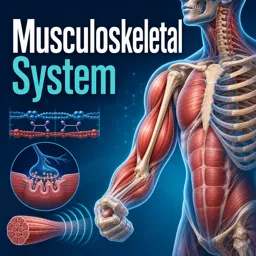
Free CourseMusculoskeletal System
5

(1)

7h01m

12 exercises
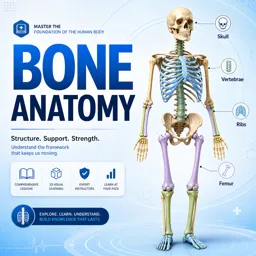
Free CourseBone Anatomy
5
(3)
1h37m
21 exercises

Free CourseMuscle Anatomy
5
(2)
1h05m
6 exercises
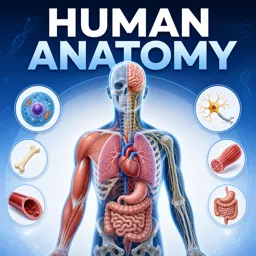
Free CourseHuman Anatomy
4.9
(7)
16h13m
36 exercises
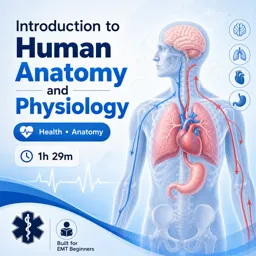
Free CourseIntroduction to human anatomy and physiology
4.8
(13)
1h29m
10 exercises
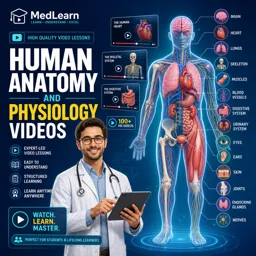
Free CourseHuman anatomy and physiology videos
4.8
(121)
18h47m
21 exercises
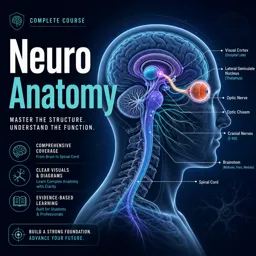
Free CourseNeuro Anatomy
4.5

(6)
6h09m
16 exercises
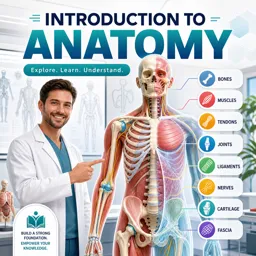
Free CourseIntroduction to Anatomy
4.2
(5)
36m
6 exercises
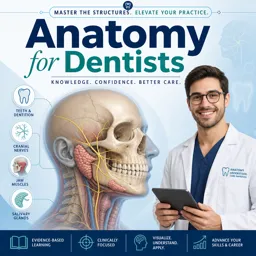
Free CourseAnatomy for Dentists
4
(4)
5h30m
45 exercises
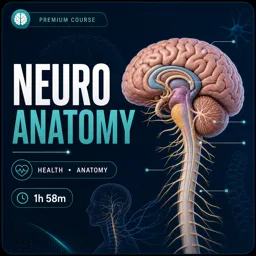
Free CourseNeuro Anatomy
3
(4)
1h47m
54 exercises
Carry knowledge in your pocket.
Download the Cursa app.
There are hundreds of free courses available, with a free certificate of completion that is saved in your mobile image gallery.
Download the app to access the Course Completion Certificate for Free.


+ 10 million
students

Free and Valid
Certificate

60 thousand free
exercises

4.8/5 rating in
app stores

Free courses in
video and ebooks