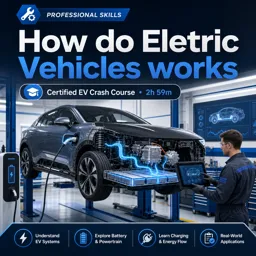


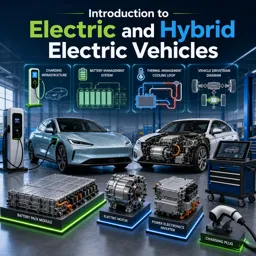
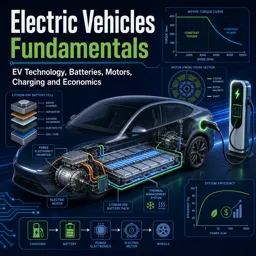
Electric vehicles use electricity stored in a battery to power an electric motor, which drives the wheels without a conventional gasoline engine.

3



Understanding Electric Vehicle (EV) Components: A Guide for Repair Professionals
Get to know essential EV components, safety tips, and training needs to prepare for a successful career in electric vehicle maintenance and repair.

Diagnosing Common Issues in Electric Vehicles: A Practical Guide
Learn to diagnose common EV issues, from battery problems to warning lights, with practical tips and safety guidance for repair enthusiasts and professionals.

How to Maintain Your Electric Vehicle: Tips for Longevity
Maintain your EV by managing battery health, checking tires, updating software, inspecting brakes, and following routine checks for long-term performance.

Electric Vehicles vs. Hybrid Cars: Which is Right for You?
Compare EVs and hybrids: EVs offer zero emissions and instant torque but need charging infrastructure. Hybrids provide flexibility, lower costs, and longer range.
Explore a selection of free online Electric Vehicle courses designed for students, professionals, technicians, and anyone interested in sustainable transportation. These educational courses provide structured learning about EV technology, electric mobility, vehicle systems, energy efficiency, and environmental innovation. Study at your own pace, complete practical exercises, and receive free certification to demonstrate your new knowledge.
Build valuable skills through accessible lessons covering how electric cars work and how they differ from conventional vehicles. Course content may address electric motors, battery packs, charging systems, power electronics, regenerative braking, safety procedures, maintenance, and sustainable mobility. The lessons support beginner education while also helping learners strengthen technical knowledge for academic or professional development.
All courses in this listing are free and include educational exercises that help you review concepts and assess your progress. After completing the required learning activities, you can also obtain a free certificate. This certification can support your resume, professional portfolio, continuing education goals, or personal learning record without course fees.
These free Electric Vehicle classes are suitable for automotive students, engineering learners, mechanics, drivers, educators, sustainability enthusiasts, and professionals exploring the growing electric mobility sector. No matter your experience level, you can develop practical understanding through flexible online study and exercise-based learning.
To access the courses, lessons, exercises, and free certification, you must install the Cursa application. Android users can choose Download for Android from Google Play. Apple users can choose Download for iOS / iPhone from the App Store. Install the app and begin your free Electric Vehicle education today.
How do electric vehicles work?
Electric vehicles use electricity stored in a battery to power an electric motor, which drives the wheels without a conventional gasoline engine.
What is the difference between an electric vehicle and a hybrid electric vehicle?
A battery-electric vehicle runs only on electricity, while a hybrid combines an electric motor with an internal-combustion engine.
What are the main components of an electric vehicle?
Key components include the battery pack, electric motor, inverter, onboard charger, charging port, and battery-management system.
How are electric vehicle batteries charged?
EV batteries can be charged using home AC chargers, public Level 2 chargers, or fast DC charging stations.
What types of motors are used in electric vehicles?
Common EV motors include permanent-magnet synchronous motors, induction motors, and switched-reluctance motors.
How long does it take to charge an electric vehicle?
Charging time depends on battery size and charger power; it can range from under an hour with DC fast charging to overnight with home charging.
Are electric vehicles cheaper to operate than gasoline cars?
They often have lower energy and maintenance costs because electricity can cost less than fuel and EVs have fewer moving parts.

Complete any course and issue your certificate via the app — at no cost.

Download the app! to have access to more than 4,000 Online Courses + Certificate, all free!
Download the app! 100% free courses.


Carry knowledge in your pocket.
Download the Cursa app.
There are hundreds of free courses available, with a free certificate of completion that is saved in your mobile image gallery.
Download the app to access the Course Completion Certificate for Free.


+ 10 million
students

Free and Valid
Certificate

60 thousand free
exercises

4.8/5 rating in
app stores

Free courses in
video and ebooks