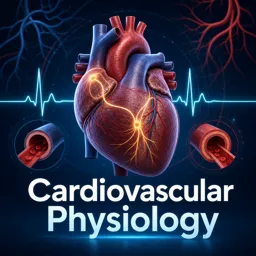


Cardiovascular physiology is the study of how the heart, blood vessels, and blood work together to deliver oxygen and nutrients throughout the body.

2

2

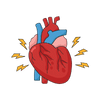
Explore free online Cardiovascular Physiology courses designed for students, healthcare learners, educators, and anyone interested in understanding the science of the heart and circulatory system. These educational courses provide accessible lessons on cardiac function, blood flow, vascular regulation, and the physiological mechanisms that maintain cardiovascular health. Each course is free, includes exercises to reinforce learning, and offers free certification upon successful completion.
Build a solid foundation in human physiology by studying how the heart pumps blood, how vessels control circulation, and how the cardiovascular system responds to changing metabolic demands. Course content may address cardiac anatomy, the cardiac cycle, heart sounds, blood pressure, hemodynamics, electrical conduction, electrocardiography, cardiac output, venous return, capillary exchange, and neural or hormonal regulation.
This online learning collection is useful for medical, nursing, pharmacy, biology, physiotherapy, sports science, and allied health students. It can also support exam preparation, professional development, classroom revision, or independent study. Learners can progress at their own pace while strengthening their understanding of normal cardiovascular function and the physiological basis of common clinical measurements.
All listed Cardiovascular Physiology courses are available free of charge. They include exercises for knowledge practice and provide free certification, helping learners document their educational progress. Course availability, lesson organization, and mobile access make this collection a practical resource for studying cardiovascular science wherever you are.
To access and study these free online courses, it is necessary to install the Cursa application. Android users can install it through Google Play: Download for Android. iPhone users can install it through the App Store: Download for iOS / iPhone.
Choose a course, complete the lessons and exercises, expand your physiology knowledge, and earn your free certification through a flexible mobile learning experience.
What is cardiovascular physiology?
Cardiovascular physiology is the study of how the heart, blood vessels, and blood work together to deliver oxygen and nutrients throughout the body.
What will I learn in a cardiovascular physiology course?
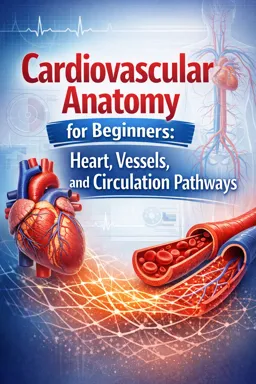
You will learn cardiac function, blood flow, blood pressure regulation, the cardiac cycle, vascular resistance, and circulation pathways.
How does the cardiac cycle work?
The cardiac cycle includes diastole, when the heart chambers relax and fill with blood, and systole, when they contract to pump blood forward.
What determines blood pressure?
Blood pressure mainly depends on cardiac output, blood volume, and systemic vascular resistance.
What is cardiac output?
Cardiac output is the volume of blood pumped by the heart each minute. It equals heart rate multiplied by stroke volume.
How is ECG interpretation related to cardiovascular physiology?
An ECG records the heart’s electrical activity, helping learners connect cardiac conduction with heart rhythm and mechanical function.
How do cardiovascular medications affect blood pressure and heart function?
Cardiovascular medications may lower vascular resistance, reduce heart rate, decrease blood volume, or alter cardiac contractility to manage blood pressure and heart conditions.

Complete any course and issue your certificate via the app — at no cost.

Download the app! to have access to more than 4,000 Online Courses + Certificate, all free!
Download the app! 100% free courses.


Carry knowledge in your pocket.
Download the Cursa app.
There are hundreds of free courses available, with a free certificate of completion that is saved in your mobile image gallery.
Download the app to access the Course Completion Certificate for Free.


+ 10 million
students

Free and Valid
Certificate

60 thousand free
exercises

4.8/5 rating in
app stores

Free courses in
video and ebooks