Low-fidelity prototypes are simple sketches or wireframes for testing structure and flows, while high-fidelity prototypes closely resemble the final product with detailed visuals and interactions.


Duration of the online course: 16 hours and 52 minutes
1

(1)
Build job-ready UX skills fast with a free online course—research, wireframes, prototypes, and portfolios to help you launch or level up your design career.
Learn how to design digital experiences that feel effortless, intuitive, and genuinely helpful. This free online UX Design course guides you through the full mindset and workflow behind user-centered products, so you can move from guesswork to confident decisions backed by research and testing. Whether you are exploring a career change or strengthening your design toolkit, you will practice thinking like a UX designer and communicating your ideas clearly to teams and stakeholders.
You will connect the dots between empathy and outcomes by learning how to understand users, define real problems, and turn insights into practical solutions. Along the way, you will work with the kinds of methods and artifacts used in professional settings, from early sketches and storyboards to wireframes and prototypes that evolve from low-fidelity concepts into high-fidelity designs. You will also explore how psychology and visual principles shape perception, influence behavior, and help make interfaces easier to navigate.
The course emphasizes modern product work: rapid ideation, design sprints, competitive audits, information architecture, usability testing, and iteration based on feedback. You will see how research findings are collected, organized, and shared so they can drive better decisions across a project. You will also gain hands-on exposure to popular tools used to create digital wireframes and responsive layouts, helping you design for multiple screen sizes and real-world constraints.
To support career goals, the course also focuses on presenting your work and building a strong portfolio that highlights your process, not just polished screens. By the end, you will have a clearer understanding of UX roles, how designers collaborate, and what hiring teams look for—so you can prepare for interviews and pursue new opportunities with a stronger, more credible body of work.

16 hours and 52 minutes of online video course

Digital certificate of course completion (Free)

Exercises to train your knowledge

100% free, from content to certificate
What is the difference between low-fidelity and high-fidelity UX prototypes?
Low-fidelity prototypes are simple sketches or wireframes for testing structure and flows, while high-fidelity prototypes closely resemble the final product with detailed visuals and interactions.
What are the key steps in a UX research study?
A UX research study typically involves planning the study, recruiting participants, conducting research, analyzing findings, sharing insights, and using results to improve the design.
What should a UX design portfolio include for entry-level jobs?
A strong UX portfolio includes case studies that show your process, research, wireframes, prototypes, design decisions, iterations, and the outcomes of each project.
Ready to get started?Download the app and get started today.
Install the app now
to access the course
Over 5,000 free courses
Programming, English, Digital Marketing and much more! Learn whatever you want, for free.

Study plan with AI
Our app's Artificial Intelligence can create a study schedule for the course you choose.

From zero to professional success
Improve your resume with our free Certificate and then use our Artificial Intelligence to find your dream job.
You can also use the QR Code or the links below.



Free CourseUser Interface Design
5
(4)

12h04m

21 exercises
Free CourseUI Design for beginners
5
(1)
1h20m
5 exercises

Free CoursePrinciple UI/UX
4.9
(39)
6h39m
20 exercises
Free CourseWeb and Desktop app UI design in Figma
4.9
(8)
1h16m
Free CourseWeb design
4.9
(7)
4h17m
18 exercises
Free CourseAdobe XD Tutorials
4.8
(23)
7h23m
16 exercises
Free CourseUX design for mobile
4.8
(94)
1h37m
24 exercises
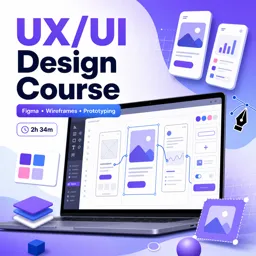
Free CourseUX/UI design course
4.7

(31)
2h34m
20 exercises

Free CourseUX user experience design
4.6
(11)
17h36m
16 exercises
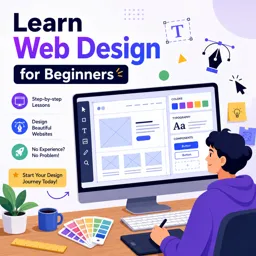
Free CourseLearn Web Design for Beginners
4.5
(2)
3h07m
6 exercises
Carry knowledge in your pocket.
Download the Cursa app.
There are hundreds of free courses available, with a free certificate of completion that is saved in your mobile image gallery.
Download the app to access the Course Completion Certificate for Free.


+ 10 million
students

Free and Valid
Certificate

60 thousand free
exercises

4.8/5 rating in
app stores

Free courses in
video and ebooks