Duration of the online course: 7 hours and 37 minutes
4.7
(9)
Strengthen medication safety skills with this free online pharmacology course—master drug actions, dosage rights, antibiotics, ACE inhibitors, and more.
In this free course, learn about
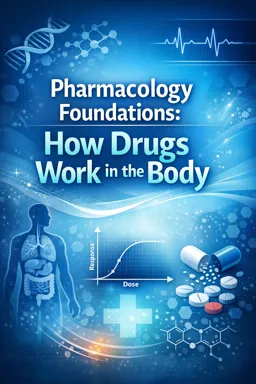
Core pharmacology concepts and what makes an ideal drug (safety, efficacy, selectivity, etc.)
Nurse’s role in pharmacologic care: assessment, administration, monitoring, patient education
The 5 Rights of medication administration and safe medication-check practices
Pre-administration safety checks for high-alert meds like digoxin (e.g., apical pulse/HR assessment)
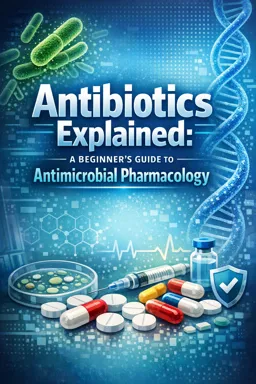
Purpose and basic use of antibiotics, including what they target and when they’re indicated
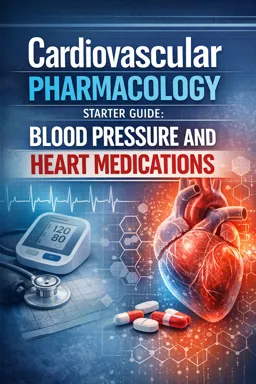
ACE inhibitors: class ID (-pril), mechanism, key adverse effects, and nursing considerations
RAAS overview and major effects of angiotensin II on BP/volume regulation
Managing interactions: starting captopril with spironolactone and hyperkalemia risk monitoring
Blood pressure basics relevant to antihypertensive medication selection and monitoring
Common OTC cough suppressants and key patient counseling points
Allergic rhinitis drug categories, incl. decongestants linked to meth precursor ingredients
What infections are, common causes, and recognized vs atypical signs of infection
Endocrine system review: hormones that stimulate adrenal hormone production (ACTH focus)
Cancer treatment basics: high-growth-fraction targets and cytotoxic drug effects
Corticosteroids: adrenal suppression risk, tapering concerns, and immunosuppressive effects
About the free online course
Build real-world pharmacology confidence with a complete, practice-focused online course designed for healthcare learners who want to administer medications safely and think critically at the bedside. You will move from core concepts like what makes an effective drug and how medications work in the body to the practical responsibilities involved in pharmacological care, including the clinical mindset required before giving high-risk meds. Throughout the learning experience, the emphasis stays on patient safety, sound judgment, and reducing common medication errors.
This course strengthens the fundamentals that support everyday clinical decisions: understanding drug properties, applying the five rights of medication administration, and recognizing how therapeutic goals connect to monitoring and patient education. As you progress, you will sharpen your ability to anticipate side effects, identify red flags, and connect symptoms to possible medication or disease-related causes, building a more systematic approach to safe care.
You will also explore major medication groups and common clinical scenarios, from infection concepts and antibiotic use to cardiovascular and blood pressure foundations, including the RAAS pathway and ACE inhibitors. The course ties these topics to practical nursing considerations, such as interactions and safety checks that protect patients with complex medication regimens. Additional lessons expand your understanding of respiratory and allergy treatments, endocrine foundations, and gastrointestinal conditions like peptic ulcer disease, helping you interpret why a therapy is chosen and what to monitor during treatment.
To round out your knowledge, the course introduces key ideas in cancer pharmacology and the clinical risks and immune effects of corticosteroids, with attention to adverse effects that matter in day-to-day practice. Knowledge checks and questions help you apply what you learn, making it easier to translate theory into action. If you are looking for a free course that supports exam preparation and strengthens medication competence for clinical work, this training provides a structured path to more confident pharmacology decision-making.
Course content
Video class: Pharmacology Nursing – Course Trailer | Lecturio Nursing01m
Video class: Introduction to Pharmacology | Lecturio Nursing07m
Exercise: What are the key properties of an ideal drug?
Video class: The Nurse's Role in Pharmacology | Lecturio03m
Exercise: As a nurse, which of the following is a critical step in the pharmacological care process before administering digoxin?
Video class: The 5 Rights of Medication Administration – Pharmacology | Lecturio04m
Exercise: What are the five rights of medication administration for nurses?
Video class: Antibiotics: Introduction – Pharmacology | Lecturio Nursing08m
Exercise: Which of the following best describes the purpose of antibiotics?
Video class: NCLEX Question on Cardiovascular Medications – Pharmacology | Lecturio05m
Exercise: What is the most important action for a nurse to take when starting a patient on captopril who is already taking spironolactone?
Video class: ACE Inhibitors – Pharmacology | Lecturio09m
Exercise: Which of the following accurately describes the mechanism of action for ACE inhibitors?
Video class: Renin-Angiotensin-Aldosterone-System (RAAS) – Pharmacology | Lecturio13m
Exercise: What are the two main effects of Angiotensin II in the RAAS?
Video class: Review of Blood Pressure Foundations – Pharmacology | Lecturio10m
Exercise: Which class of antihypertensive medications ends with the suffix 'pril'?
Video class: Cough Suppressants – Pharmacology | Lecturio Nursing03m
Exercise: What is a common over-the-counter cough suppressant discussed?
Video class: Allergic Rhinitis (11m
Exercise: Which category of medications used to treat allergic rhinitis can also contain an ingredient that is used to manufacture crystal meth?
Video class: What is an infection? – Pharmacology | Lecturio05m
Exercise: What can cause the immune system to become overwhelmed, leading to an infection?
Video class: Signs of Infection – Pharmacology | Lecturio Nursing06m
Exercise: Which of the following is not commonly recognized as a sign of infection?
Video class: Review of the Endocrine System – Pharmacology | Lecturio Nursing13m
Exercise: Which hormone is primarily responsible for stimulating the adrenal gland to produce certain hormones?
Video class: Review of the Endocrine System – Pharmacology | Lecturio Nursing13m
Exercise: Which hormone is primarily responsible for stimulating the adrenal gland to produce certain hormones?
Video class: Peptic Ulcer Disease: Causes and Medications – Pharmacology | Lecturio Nursing08m
Exercise: What is a common cause of peptic ulcer disease?
Video class: Review of Peptic Ulcer Disease – Pharmacology | Lecturio Nursing09m
Exercise: Which medication is specifically designed to adhere to an ulcer, acting like a liquid bandage to aid in the protection and healing of a peptic ulcer?
Video class: Basic Principles of Cancer Treatment – Pharmacology | Lecturio Nursing09m
Exercise: What areas of the body are high growth fraction cells often targeted by cytotoxic drugs?
Video class: Risk of Corticosteroids: Adrenal Suppression – Pharmacology | Lecturio Nursing08m
Exercise: What is a key concern when administering corticosteroid therapy to patients?
Video class: Corticosteroids – Pharmacology | Lecturio Nursing09m
Exercise: What is one of the main effects of corticosteroids on the immune system?
Video class: Intravenous (IV) Fluids, Intravenous (IV) Solutions and Tonicity – Pharmacology | Lecturio Nursing10m
Exercise: ¿Cuál de las siguientes soluciones intravenosas tiende a causar que las células se hinchen al desplazar el fluido hacia el espacio intracelular?
Video class: Isotonic Solutions –Pharmacology | Lecturio Nursing06m
Video class: Hypotonic Solutions – Pharmacology | Lecturio Nursing03m
Exercise: Which type of intravenous solution should be avoided in patients with conditions such as head trauma, stroke, or after neurosurgery due to the risk of fluid shifting from extracellular to intracellular spaces?
Video class: Hypotonic Solutions – Pharmacology | Lecturio Nursing03m
Exercise: Which type of intravenous solution should be avoided in patients with conditions such as head trauma, stroke, or after neurosurgery due to the risk of fluid shifting from extracellular to intracellular spaces?
Video class: Hypertonic Solutions – Pharmacology | Lecturio Nursing07m
Exercise: What is the primary benefit of administering hypertonic solutions post-operatively?
Video class: Lithium for Bipolar Disorder, Schizophrenia | Pharmacology | Lecturio Nursing07m
Video class: Pediatric and Adult Dosage Calculations Based on Body Weight – Pharmacology | Lecturio Nursing04m
Exercise: When calculating medication dosages for pediatric patients, what unit of measurement is commonly used for their weight?
Video class: Review of Testosterone – Androgens – Pharmacology | Lecturio Nursing07m
Video class: Lithium: Levels and Toxicity – Pharmacology | Lecturio Nursing09m
Exercise: Which of the following is NOT a risk for developing lithium toxicity?
Video class: Lithium: Adverse Effects and Interactions – Pharmacology | Lecturio Nursing07m
Video class: Lithium: In a Nutshell – Pharmacology | Lecturio Nursing02m
Exercise: Which of the following symptoms would indicate moderate lithium toxicity?
Video class: Risk of Androgens – Pharmacology | Lecturio Nursing10m
Video class: Review of the Nervous System – Pharmacology | Lecturio Nursing09m
Exercise: What is the primary function of the parasympathetic nervous system?
Video class: Testosterone – Androgens: In a Nutshell – Pharmacology | Lecturio Nursing01m
Video class: Pretest for Pharmacology – NCLEX Review – Pharmacology | Lecturio Nursing14m
Exercise: Which strategy is suggested in the given pharmacology review to efficiently learn about medication side effects?













Course comments: Pharmacology complete
Jonathan Jessy
s this is indeed amazing
mmabatho
Just started am am loving the course
Chery Khan
amazing courses
I want to be a Pharmacology