

Neuroscience is the study of the nervous system, including the brain, spinal cord, neurons, and how they shape behavior, thoughts, and emotions.

3

1


Emotion Regulation: Practical Psychology Skills to Understand, Manage, and Use Feelings Wisely
Learn practical emotion regulation skills to manage stress, improve focus, and respond to feelings with clarity and control.

How Neuroscience Sheds Light on Learning and Memory
Discover how neuroscience explains learning and memory. Learn strategies to boost cognition, enhance memory, and support lifelong brain health.

Neuroscience and the Science of Decision Making: How the Brain Shapes Our Choices
Explore how neuroscience reveals the brain’s role in decision making, influencing choices, emotions, and habits. Learn strategies to make smarter, more informed decisions.

The Brain’s Plasticity: How Neuroscience Explains Our Ability to Change
Discover how neuroplasticity enables the brain to adapt, recover, and grow. Learn strategies to enhance cognitive flexibility, learning, and lifelong brain health.

The Impact of Neuroscience on Understanding Mental Health Disorders
Explore how neuroscience advances understanding of mental health disorders, guiding treatments and recovery through insights into brain function, genetics, and neuroplasticity.
Explore our selection of free online neuroscience courses and develop a clearer understanding of the brain, nervous system, cognition, and human behavior. These educational courses are suitable for students, educators, healthcare learners, psychology enthusiasts, and anyone interested in studying how neural structures and biological processes influence perception, emotion, memory, learning, and movement.
Learn essential neuroscience concepts through accessible lessons designed to support independent study. Course topics may include neuroanatomy, neurophysiology, cognitive neuroscience, behavioral neuroscience, cellular neuroscience, sensory systems, brain development, neurological disorders, neural communication, synaptic transmission, and research methods. Whether you are beginning your education or reviewing academic material, these free courses provide a flexible way to expand your scientific knowledge.
Each neuroscience course includes exercises that help reinforce important terminology, theories, and biological mechanisms. Activities offer opportunities to review course content, evaluate comprehension, and apply concepts related to neurons, brain regions, neurotransmitters, cognition, and nervous system function.
All listed courses are free and also offer free certification. A course certificate can document your participation and support your academic portfolio, professional development, continuing education, or personal learning goals. No payment is required to study the available lessons or obtain eligible certification.
The courses can benefit learners in psychology, biology, medicine, nursing, education, health sciences, and related disciplines. They are also useful for curious beginners who want an educational introduction to brain science without committing to a fixed classroom schedule.
To access the free neuroscience courses, exercises, and free certificates, you must install the Cursa application. Android users can download it from Google Play: Download for Android. iPhone users can install it from the App Store: Download for iOS / iPhone.
Choose a course, begin your neuroscience education, complete the learning activities, and build valuable knowledge about the brain and nervous system from anywhere.
What is neuroscience?
Neuroscience is the study of the nervous system, including the brain, spinal cord, neurons, and how they shape behavior, thoughts, and emotions.
What will I learn in an online neuroscience course?
You can learn brain anatomy, neural communication, perception, memory, emotion, decision-making, and modern methods for studying the brain.
Is neuroscience difficult for beginners?
Neuroscience can be challenging, but beginner courses explain core ideas such as neurons, synapses, and brain regions without requiring advanced prior knowledge.
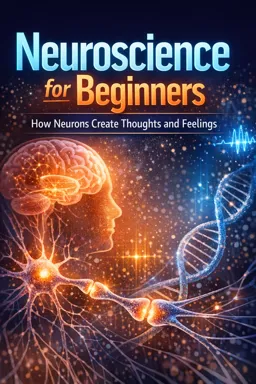
How do neurons create thoughts and feelings?
Neurons communicate through electrical signals and chemical neurotransmitters. Large networks of connected neurons process information that contributes to thoughts, emotions, and actions.
What is covered in The Human Brain course?
The Human Brain typically explores brain structure, major functions, cognition, behavior, and how different brain systems work together.
What is neuromarketing?
Neuromarketing applies neuroscience methods to understand attention, emotion, memory, and consumer decision-making. The Future of Neuromarketing examines emerging uses and ethical considerations.
What does Decoding the Brain mean in neuroscience?
Decoding the brain refers to interpreting neural activity to understand what the brain is processing, such as perceptions, intentions, movements, or mental states.

Complete any course and issue your certificate via the app — at no cost.

Download the app! to have access to more than 4,000 Online Courses + Certificate, all free!
Download the app! 100% free courses.


Carry knowledge in your pocket.
Download the Cursa app.
There are hundreds of free courses available, with a free certificate of completion that is saved in your mobile image gallery.
Download the app to access the Course Completion Certificate for Free.


+ 10 million
students

Free and Valid
Certificate

60 thousand free
exercises

4.8/5 rating in
app stores

Free courses in
video and ebooks


What are people saying about free online courses of Neuroscience
Dr. Jesus Llanera Bitantes
Thank you for this Course lesson.
CourseThe Human Brain