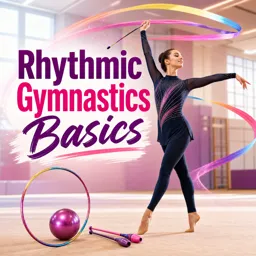


Rhythmic gymnastics is a sport combining dance, flexibility, balance, and apparatus skills using ribbon, hoop, ball, clubs, or rope.

1


An Introduction to Gymnastics: Building Strength, Flexibility, and Confidence
Discover gymnastics basics, its main disciplines, benefits, and beginner tips for building strength, flexibility, and confidence.

Essential Gymnastics Equipment: Tools for Success in Training and Performance
Explore the essential gymnastics equipment that supports training, ensures safety, and enhances performance for athletes of all levels.

The Artistic Side of Gymnastics: Exploring Choreography and Expression
Discover how choreography, musicality, and expression elevate gymnastics from sport to art, captivating audiences and judges alike.

The Science Behind Gymnastics: Physics, Body Mechanics, and Skill Mastery
Discover how physics and body mechanics enhance gymnastics performance, skill mastery, and safety for athletes of all levels.
Explore our collection of free online gymnastics courses designed for learners who want to study movement, technique, conditioning, flexibility, balance, and safe training practices. Whether you are a beginner, student, physical education professional, coach, or gymnastics enthusiast, these educational courses provide accessible learning opportunities that can help you develop practical knowledge at your own pace.
These free gymnastics courses cover essential concepts related to artistic gymnastics, body control, coordination, strength, mobility, posture, and skill development. Course lessons combine educational explanations with exercises that allow learners to review techniques and apply what they have studied. Depending on the selected course, you may learn about warm-up routines, stretching, foundational movements, floor skills, physical preparation, injury prevention, and effective training methods.
All courses listed on this page are free and also include free certification. After completing the required educational content and activities, learners can obtain a certificate at no cost. This certification can complement a résumé, document continuing education, demonstrate personal development, or support academic and professional learning goals related to sports, coaching, fitness, and physical education.
The courses are suitable for beginners seeking an introduction to gymnastics, athletes wishing to strengthen theoretical understanding, instructors researching teaching strategies, and anyone interested in structured physical education. Online access makes it possible to study according to your schedule while revisiting lessons and exercises whenever necessary.
To access and study the courses, it is necessary to install the Cursa application. Android users can get the app through Google Play: Download for Android. iPhone users can install it through the App Store: Download for iOS / iPhone.
Choose a free online gymnastics course, complete the lessons and exercises, and earn your free certificate while building valuable knowledge about movement, training, and gymnastics education.
What is rhythmic gymnastics?
Rhythmic gymnastics is a sport combining dance, flexibility, balance, and apparatus skills using ribbon, hoop, ball, clubs, or rope.
Is rhythmic gymnastics suitable for beginners?
Yes. Beginners can learn basic body positions, flexibility, coordination, musicality, and simple apparatus handling.
What equipment is used in rhythmic gymnastics?
Common apparatus includes a ribbon, hoop, ball, clubs, and rope. Beginners can start with one apparatus and comfortable training clothes.
What will I learn in a Rhythmic Gymnastics Basics course?
You can learn foundational stretches, jumps, balances, turns, dance steps, posture, and introductory apparatus techniques.
Do I need to be flexible to start rhythmic gymnastics?
No. Flexibility is developed gradually through regular, safe stretching and mobility practice.
Can adults learn rhythmic gymnastics online?
Yes. Adults can use online beginner lessons to build flexibility, coordination, strength, and basic rhythmic gymnastics skills at their own pace.
How often should beginners practice rhythmic gymnastics?
Two to three short sessions per week is a practical starting point, with rest days to support recovery and progress.

Complete any course and issue your certificate via the app — at no cost.

Download the app! to have access to more than 4,000 Online Courses + Certificate, all free!
Download the app! 100% free courses.


Carry knowledge in your pocket.
Download the Cursa app.
There are hundreds of free courses available, with a free certificate of completion that is saved in your mobile image gallery.
Download the app to access the Course Completion Certificate for Free.


+ 10 million
students

Free and Valid
Certificate

60 thousand free
exercises

4.8/5 rating in
app stores

Free courses in
video and ebooks













What are people saying about free online courses of Gymnastics
Tami Agosto
Natalie is VERY GOOD!!!!Kudos to Coach Elmira. Congratulations
CourseRhythmic Gymnastics Basics