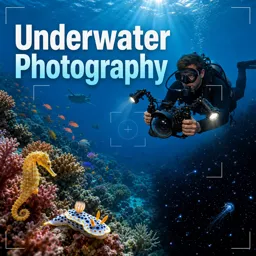


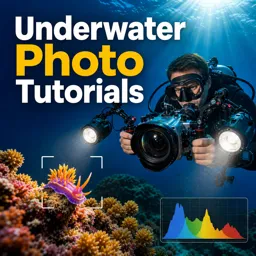
You will learn camera setup, lighting, buoyancy control, composition, marine-life techniques, and underwater image editing.

3



Diving into Color: Essential Tips for Stunning Underwater Photography
Explore techniques, gear, and tips to master underwater photography while preserving marine life and capturing vibrant aquatic scenes.

Essential Gear Guide for Underwater Photography Beginners
Learn the essential gear and safety tips every beginner needs for successful underwater photography, from cameras and housings to lighting and maintenance.
Explore free online courses in Underwater Photography and develop the technical, artistic, and practical knowledge needed to capture compelling images beneath the surface. These educational courses are suitable for beginners, photography students, divers, content creators, and experienced photographers who want to improve their underwater imaging skills. Study at your own pace through accessible lessons, complete exercises, and earn free certification after completing eligible courses.
Underwater photography combines visual creativity with specialized knowledge of light, water, equipment, diving conditions, and marine environments. The free courses listed on this page introduce essential concepts such as camera settings, exposure, focus, composition, color correction, strobe positioning, natural light, and safe equipment handling. Structured educational content helps learners understand how depth, visibility, movement, and the loss of color underwater can influence every photograph.
Each course offers a convenient learning pathway with theoretical instruction and exercises that reinforce the topics studied. These activities can help you practice camera preparation, evaluate underwater compositions, plan a photo dive, analyze lighting choices, and apply editing techniques. Because the courses are free, you can expand your photography education without tuition costs or subscription fees.
In addition to free lessons and exercises, the courses also provide free certification. A certificate can document your educational progress, support your portfolio, complement a photography or diving résumé, and demonstrate your commitment to continuing education. Certification is especially useful for learners interested in marine communication, travel media, conservation projects, creative work, or professional underwater photography.
To access and study these free Underwater Photography courses, it is necessary to install the Cursa application. Android users can get the app through Google Play: Download for Android. iPhone users can install it from the App Store: Download for iOS / iPhone.
Start learning today and build a stronger foundation in underwater camera operation, visual storytelling, marine photography, lighting, composition, and image editing. Choose a free online course, follow the lessons, complete the exercises, and obtain your free certificate through the Cursa application.
What will I learn in an underwater photography course?
You will learn camera setup, lighting, buoyancy control, composition, marine-life techniques, and underwater image editing.
Do I need scuba diving experience for underwater photography?
Basic scuba certification and comfortable buoyancy skills are usually recommended before taking photos underwater.
What camera is best for beginner underwater photography?
A compact camera or action camera with a compatible underwater housing is a practical choice for beginners.
How do underwater photography tutorials help improve my images?
Tutorials explain exposure, white balance, strobe placement, focusing, composition, and common mistakes in clear, practical steps.
Why do underwater photos often look blue or green?
Water absorbs red and warm colors quickly. Using a strobe, video light, red filter, or manual white balance helps restore natural color.
What is covered in an underwater filming course?
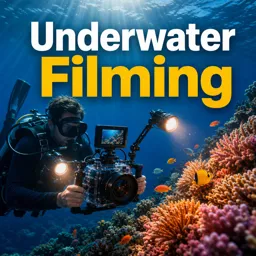
Underwater filming courses cover video camera settings, lighting, stable movement, shot planning, storytelling, and editing underwater footage.
How can I avoid disturbing marine life while taking underwater photos?
Maintain neutral buoyancy, keep a respectful distance, avoid touching coral or animals, and never chase, feed, or block marine life.

Complete any course and issue your certificate via the app — at no cost.

Download the app! to have access to more than 4,000 Online Courses + Certificate, all free!
Download the app! 100% free courses.


Carry knowledge in your pocket.
Download the Cursa app.
There are hundreds of free courses available, with a free certificate of completion that is saved in your mobile image gallery.
Download the app to access the Course Completion Certificate for Free.


+ 10 million
students

Free and Valid
Certificate

60 thousand free
exercises

4.8/5 rating in
app stores

Free courses in
video and ebooks