What Fever Is (and What It Is Not)
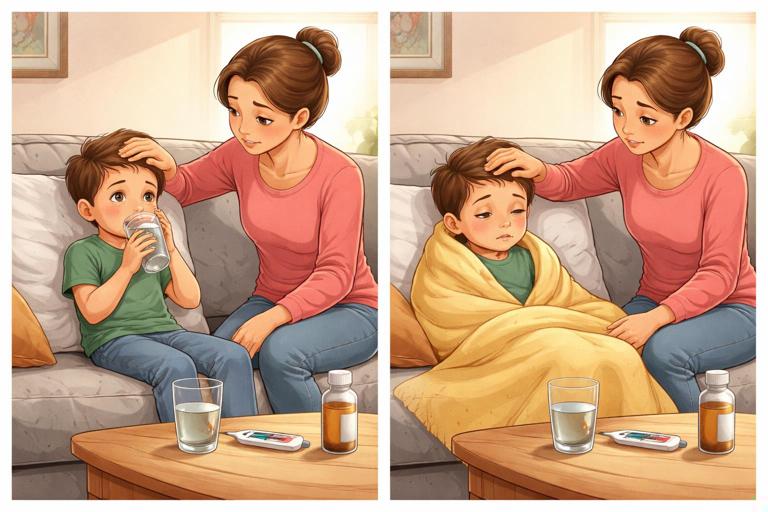
Fever is an increase in body temperature that usually happens when the immune system is fighting an infection. In most children, fever itself is not the illness; it is a sign that the body is responding to something. Many common viral infections cause fever for a few days and improve with supportive care.
It helps to separate three ideas: (1) the number on the thermometer, (2) how the child looks and behaves, and (3) hydration status. A child with a moderate fever who is drinking, urinating, and interacting can often be cared for at home with close monitoring. A child with a lower fever who is very sleepy, refusing fluids, or showing dehydration can be more concerning.
Common misconceptions
- “High fever always means a dangerous infection.” Not always. Some viral illnesses cause high fevers. The overall condition and red flags matter.
- “Fever must be brought to normal.” The goal is comfort and hydration, not necessarily a normal temperature.
- “Fever causes brain damage.” Typical fevers from infection do not cause brain damage. Extremely high temperatures from heat stroke are different and require urgent care.
Measuring Temperature Accurately at Home
Accurate measurement prevents unnecessary worry and helps you decide what to do next. Use a digital thermometer and follow the manufacturer’s instructions.
Best methods by age (practical guidance)
- Infants under 3 months: Rectal temperature is generally the most accurate for core temperature. If you are not comfortable, ask your pediatric clinician to show you how. Avoid relying on forehead strips.
- 3 months to 4 years: Rectal remains accurate; an armpit (axillary) reading can be used for screening but may read lower than core temperature. A temporal artery (forehead) thermometer can be convenient; confirm questionable readings with a more accurate method if needed.
- 4 years and older: Oral temperature can be accurate if the child can keep lips closed and not drink hot/cold liquids beforehand. Temporal artery thermometers are also commonly used.
Step-by-step: taking an armpit temperature (screening method)
- Make sure the armpit is dry.
- Place the thermometer tip high in the armpit, against skin (not clothing).
- Hold the child’s arm snugly against their body until the thermometer signals it is done.
- Record the number and the method used (example: “99.5°F axillary”).
Step-by-step: taking a rectal temperature (infants/young toddlers)
- Wash hands and prepare the digital thermometer with a clean probe cover if available.
- Apply a small amount of water-based lubricant to the tip.
- Lay the infant on their back with legs lifted gently, or on their belly across your lap.
- Insert the tip gently (about 1/2 inch to 1 inch, depending on age and size; never force).
- Hold the thermometer steady until it beeps, then remove and read.
- Clean the thermometer as directed and wash hands again.
Always note the method because “100.4°F rectal” is not the same as “100.4°F axillary.” If you are tracking fever over time, use the same method when possible.
Home Care for Fever: Comfort, Fluids, and Observation
Home care focuses on keeping the child comfortable, preventing dehydration, and watching for signs that the illness is changing.
- Listen to the audio with the screen off.
- Earn a certificate upon completion.
- Over 5000 courses for you to explore!

Download the app
Comfort measures that are safe and useful
- Dress lightly: Use light clothing and a comfortable room temperature. Over-bundling can trap heat and make the child more uncomfortable.
- Rest: Encourage quiet activities. Sleep is helpful.
- Offer fluids frequently: Small sips often work better than large amounts.
- Food is optional: Appetite often decreases with fever. Focus on fluids first.
What to avoid
- Cold baths or alcohol rubs: These can cause shivering (which raises body temperature) and can be dangerous.
- Forcing food: This can lead to vomiting and does not speed recovery.
- Using multiple combination cold/flu medicines: This increases the risk of accidental overdose, especially with acetaminophen or ibuprofen included in more than one product.
Fever-reducing medicines (general safety guidance)
Fever reducers can improve comfort, sleep, and willingness to drink. They do not “cure” the infection. Use only one active ingredient at a time unless a clinician instructs otherwise.
- Acetaminophen: Often used for infants and children. Dose is based on weight. Use the provided dosing syringe or cup.
- Ibuprofen: Often used for children over 6 months. Dose is based on weight. Avoid if the child is dehydrated, vomiting repeatedly, or has kidney disease unless a clinician advises otherwise.
- Aspirin: Do not use in children or teens with viral illness due to risk of serious complications.
If you are unsure about dosing, use the child’s current weight and the product’s dosing chart, or call your pediatric clinician or pharmacist. Write down the time and dose given to prevent double dosing, especially when multiple caregivers are involved.
Hydration: What “Good Hydration” Looks Like
Hydration is the balance between fluid intake and fluid loss. Fever increases fluid needs because children lose more water through breathing and sweating. Vomiting and diarrhea can rapidly worsen losses. The key is to recognize early dehydration and respond before it becomes severe.
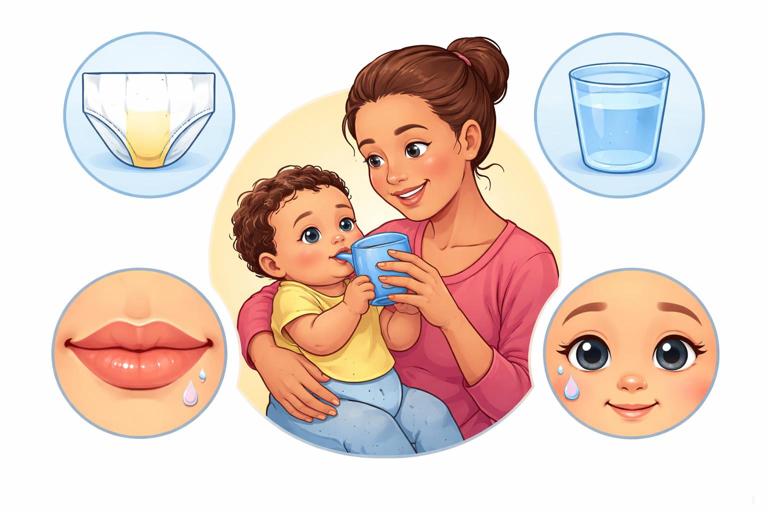
Everyday signs of adequate hydration
- Regular urination (frequency varies by age, but there should be ongoing wet diapers in infants and regular bathroom trips in older children).
- Moist mouth and tongue.
- Tears when crying (in many children; not a perfect indicator in newborns).
- Alertness appropriate for the situation (tired but responsive).
- Skin that returns quickly when gently pinched (skin turgor is less reliable in infants and very young children but can add context).
Fluids that work well
- Oral rehydration solution (ORS): Best for vomiting/diarrhea because it contains the right balance of salts and sugar to help absorption.
- Breast milk or formula: For infants, these are usually the best primary fluids. Continue feeding if tolerated.
- Water: Fine for older children with mild illness; for infants, water should not replace breast milk/formula unless advised by a clinician.
- Ice chips or popsicles: Helpful for children who resist drinking; choose options that are not very sugary when possible.
Sports drinks, juice, and soda are often too sugary for significant diarrhea and can worsen it. If used at all, they should be limited and not replace ORS when dehydration risk is present.
Dehydration: How It Happens and Why It Matters
Dehydration occurs when the body loses more fluid than it takes in. In children, dehydration can develop quickly because they have a higher proportion of body water and can become ill rapidly. Dehydration affects circulation, temperature regulation, and energy level. It can also make fever feel worse and increase the risk of complications.
Common causes during fever illnesses
- Not drinking due to sore throat, nausea, fatigue, or mouth pain.
- Increased losses from sweating and faster breathing.
- Vomiting and diarrhea.
- Refusing usual feeds (especially in infants).
Levels of dehydration (practical recognition)
Think in terms of mild, moderate, and severe. You do not need perfect categorization; you need to identify when home care is enough and when medical evaluation is needed.
- Mild dehydration: Thirst, slightly dry lips, slightly reduced urination, still fairly alert and interactive.
- Moderate dehydration: Very dry mouth, noticeably less urination, fewer tears, sunken eyes, irritability or unusual sleepiness, dizziness in older children, faster heart rate.
- Severe dehydration: Very little or no urination, very sleepy or difficult to wake, cool or mottled hands/feet, rapid breathing, weak pulse, signs of poor circulation. This is urgent.
Step-by-Step: Rehydration at Home (Vomiting, Diarrhea, or Poor Intake)
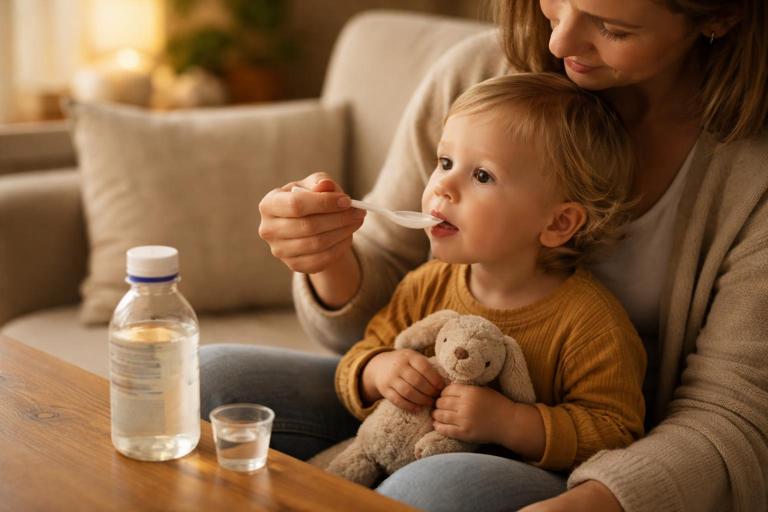
When a child is nauseated or vomiting, the stomach often tolerates tiny amounts better than a full cup. The strategy is “small, frequent, steady.”
Step 1: Choose the right fluid
- If vomiting/diarrhea is present or intake is poor: use ORS as the main fluid.
- For infants: continue breast milk or formula if tolerated; you can add ORS between feeds if needed.
Step 2: Start with very small amounts
- Offer 1–2 teaspoons (5–10 mL) every 2–5 minutes for a young child.
- For older children, start with small sips every few minutes.
If the child vomits, wait about 10 minutes, then restart with smaller amounts. The goal is gradual progress, not a large volume quickly.
Step 3: Increase slowly as tolerated
- If the child keeps small amounts down for 30–60 minutes, gradually increase the amount per sip.
- Continue frequent offering even if the child says they are not thirsty; gentle persistence helps.
Step 4: Track output and behavior
- Note when the child last urinated and how much.
- Watch for improved alertness, less irritability, and a moister mouth.
- For infants, track wet diapers and feeding tolerance.
Step 5: Reintroduce food carefully
Once vomiting has eased and the child is keeping fluids down, offer simple foods as desired (toast, crackers, rice, bananas, soup). Do not force eating. Fatty or very spicy foods can worsen nausea.
Practical example: toddler with fever and one episode of vomiting
A 2-year-old has a fever and vomited once after drinking a large cup of juice. Switch to ORS. Offer 5 mL every 3 minutes for 30 minutes. If no vomiting, increase to 10 mL every 3–5 minutes. Avoid juice for now. If the child urinates within several hours and becomes more playful, continue home care and monitor.
Fever and Hydration: A Simple Home Monitoring Plan
Having a plan reduces anxiety and helps you notice changes early.
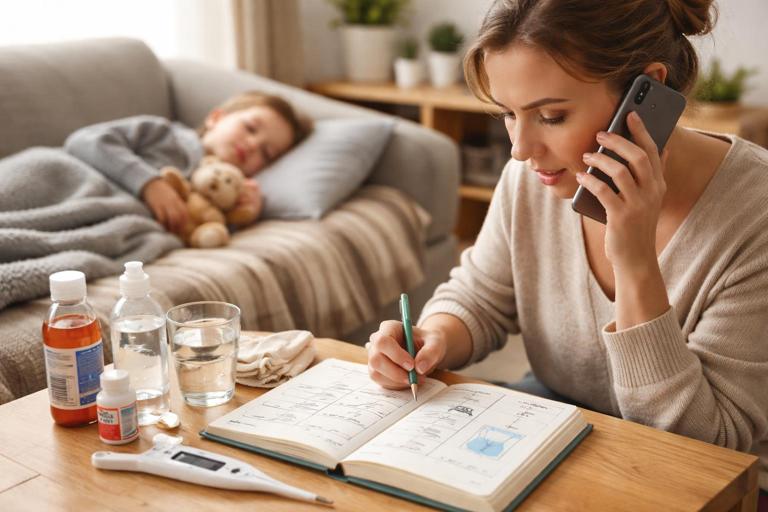
What to write down
- Temperature reading, time, and method (rectal/oral/axillary/temporal).
- Medicines given: name, dose, and time.
- Fluids: what and approximately how much (especially if vomiting/diarrhea).
- Urination: wet diapers or bathroom trips.
- Other symptoms: cough, sore throat, rash, ear pain, diarrhea, vomiting, headache, belly pain.
How often to check
- Check temperature when the child seems worse, before giving fever medicine, or to reassess comfort after medicine.
- Hydration signs should be checked throughout the day: mouth moisture, urination, alertness.
Do not wake a sleeping child just to take a temperature unless you have been instructed to do so or you are concerned about their responsiveness. Sleep can be restorative; focus on how they look when awake.
Red Flags: When Fever Needs Same-Day Medical Advice
Some situations require prompt evaluation because the risk of serious illness is higher or because dehydration can progress quickly. Use these red flags to decide when to contact a clinician urgently or seek in-person care.
Age-related fever red flags
- Under 3 months: Any fever should be treated as urgent medical advice the same day because young infants can become seriously ill quickly.
- 3–6 months: Fever with poor feeding, unusual sleepiness, or persistent irritability should be evaluated promptly.
Behavior and appearance red flags
- Child is difficult to wake, unusually floppy, or not responding normally.
- Inconsolable crying or severe irritability that does not improve with comfort measures.
- Breathing looks labored or unusually fast, or the child cannot speak/cry normally due to breathlessness.
- Seizure associated with fever (even if it stops quickly) should prompt medical advice; if ongoing or repeated, seek emergency care.
Dehydration red flags (seek urgent care)
- Very little or no urination for a concerning length of time for the child’s age (for infants, markedly fewer wet diapers; for older children, no urination for many hours).
- Dry mouth with no saliva, no tears when crying, sunken eyes, or a sunken soft spot in an infant.
- Child cannot keep fluids down due to repeated vomiting, or vomits everything offered.
- Blood in vomit or stool, or black/tarry stool.
Fever pattern red flags
- Fever lasting more than several days, or fever that improves and then returns with worsening symptoms.
- Very high fever with a child who looks very ill, especially if not improving with fever medicine and fluids.
Specific symptom red flags that need evaluation
- Stiff neck, severe headache, or sensitivity to light (especially in older children who can describe it).
- New rash that looks like bruising or tiny purple/red spots that do not fade when pressed (petechiae/purpura), especially with fever.
- Severe abdominal pain, persistent localized pain, or pain that worsens with movement.
- Ear pain with swelling behind the ear, or drainage with significant pain.
- Signs of dehydration plus ongoing diarrhea, especially in infants and toddlers.
If you are unsure whether a symptom is a red flag, use a cautious approach: call your pediatric clinician for guidance and describe both the fever and hydration status (intake and urination).
Special Situations: Higher Risk for Dehydration
Some children become dehydrated more easily or have less reserve.
Infants
- They have limited fluid reserve and may refuse feeds when congested or tired.
- Watch feeding duration/volume and wet diapers closely.
- Seek advice early if intake drops significantly or vomiting/diarrhea occurs.
Children with vomiting and diarrhea together
- Use ORS early rather than waiting for signs of dehydration.
- Consider that diaper rash and skin irritation can worsen with frequent stools; protect skin with barrier ointment while focusing on hydration.
Hot environments or heavy clothing
- Fever plus heat exposure increases fluid loss.
- Move to a cooler environment, remove extra layers, and offer fluids more often.
Children with chronic conditions
Children with diabetes, kidney disease, heart disease, or those on certain medications may need earlier medical advice when fever and poor intake occur. If your child has a chronic condition, ask your clinician in advance for a “sick day” hydration plan.
Practical Scenarios and What to Do
Scenario 1: School-age child with fever and sore throat, drinking less
A 7-year-old has a fever and says swallowing hurts. They are urinating less but still at least a few times a day. Home plan: offer cool fluids, popsicles, and warm soup; give fever medicine for comfort if appropriate; encourage small sips every few minutes. Track urination and watch for worsening throat pain, drooling, or inability to swallow fluids, which would need medical evaluation.
Scenario 2: Infant with fever and fewer wet diapers
A 4-month-old has a fever and is taking shorter feeds, with fewer wet diapers than usual. Because young infants can worsen quickly and dehydration can develop fast, contact a clinician the same day for guidance. While waiting, continue offering breast milk or formula more frequently in smaller amounts and monitor alertness.
Scenario 3: Toddler with fever and diarrhea
A 2-year-old has fever and frequent watery stools. Start ORS early: small amounts often, especially after each stool. Continue normal diet as tolerated. Seek medical advice if there are signs of moderate dehydration, blood in stool, persistent vomiting, or the child becomes unusually sleepy.
Caregiver Tips to Prevent Mistakes
- Use one dosing tool: Always use the syringe/cup that comes with the medicine to avoid dosing errors.
- One medicine log: Keep a single written log on the fridge or in a phone note so caregivers do not double-dose.
- Do not chase the number: Treat the child’s discomfort and hydration, not just the thermometer reading.
- Offer fluids proactively: Do not wait for thirst, especially in younger children.
- Reassess after interventions: After fluids and comfort measures, ask: Is the child more alert? Are they urinating? Is the mouth less dry?